Bilal

Born With a Silver Spoon in Their Mouth: Definition, Meaning, Origin, and Examples

Born With a Silver Spoon in Their Mouth: Definition, Meaning, Origin, and Examples

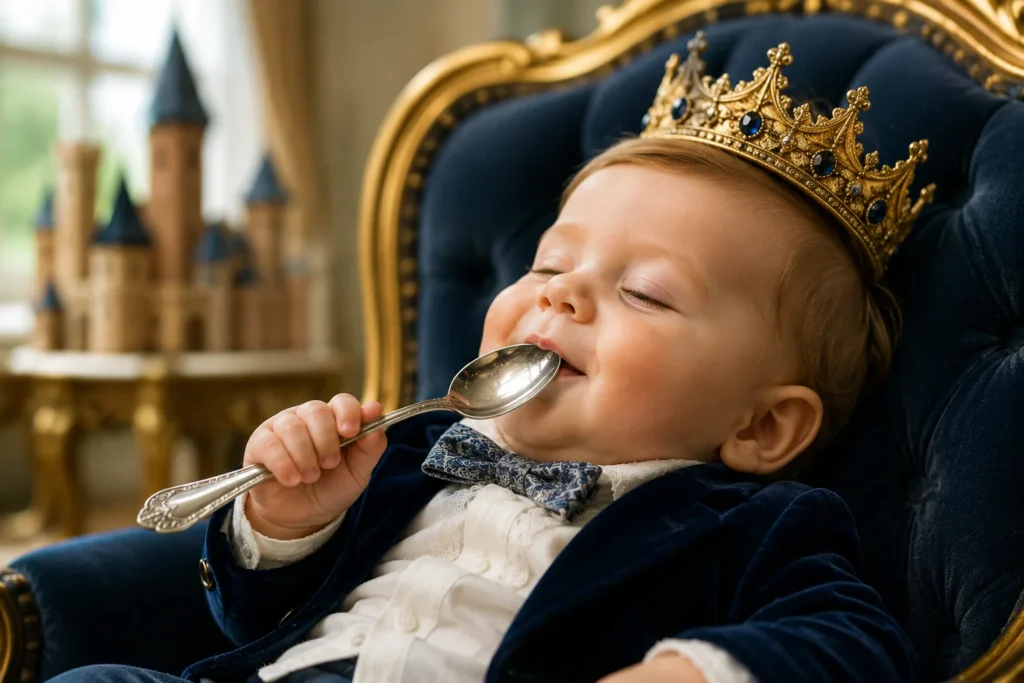
What Does “Born With a Silver Spoon in Their Mouth” Mean? The idiom “born with a silver spoon in their mouth” describes someone who enters life with significant advantages because of their family’s wealth, social status, or influence. Instead of building those advantages over time, they inherit them from birth. These benefits can include financial

Born With a Silver Spoon in Their Mouth: Definition, Meaning, Origin, and Examples Read More »

Same Difference – Idiom, Meaning, Examples, Origin & Everyday Usage

Same Difference – Idiom, Meaning, Examples, Origin & Everyday Usage

Have you ever heard someone say “same difference” after two people disagreed over a tiny detail? At first, the phrase sounds confusing because same and difference seem to contradict each other. Yet native English speakers use this idiom every day to point out that small differences don’t change the overall result. Whether you’re learning English,

Same Difference – Idiom, Meaning, Examples, Origin & Everyday Usage Read More »

Runt of the Litter – Definition, Meaning, and Examples

Runt of the Litter – Definition, Meaning, and Examples

What Does “Runt of the Litter” Mean? The phrase “runt of the litter” refers to the smallest or least developed member of a group, especially among animals born during the same pregnancy. Most commonly, people use it when talking about puppies, kittens, or other newborn animals. However, the expression has grown beyond its original animal

Runt of the Litter – Definition, Meaning, and Examples Read More »

Three Sheets to the Wind Idiom Definition: Meaning, Origin, History, and How to Use This Sailing Phrase

Three Sheets to the Wind Idiom Definition: Meaning, Origin, History, and How to Use This Sailing Phrase

Introduction to the Three Sheets to the Wind Idiom Definition Language is full of expressions that carry pieces of history, and the Three Sheets to the Wind Idiom Definition is a perfect example. At first glance, this phrase sounds like it has something to do with pieces of fabric blowing in the air. However, its

Three Sheets to the Wind Idiom Definition: Meaning, Origin, History, and How to Use This Sailing Phrase Read More »

Better Than or Better Then – Which Is Correct? (+ Examples, Rules, and Easy Ways to Remember)

Better Than or Better Then – Which Is Correct? (+ Examples, Rules, and Easy Ways to Remember)

The correct phrase is better than, not better then, when you compare two things—the word than shows a difference between people, objects, ideas, actions, or results. The word then usually refers to time, order, or what happens next. For example: The mistake happens because “than” and “then” look and sound very similar. Many people type

Better Than or Better Then – Which Is Correct? (+ Examples, Rules, and Easy Ways to Remember) Read More »

Elegy vs. Eulogy: What’s the Difference? Meaning, Purpose, and Key Differences

Elegy vs. Eulogy: What’s the Difference? Meaning, Purpose, and Key Differences

The difference between an elegy and a eulogy comes down to their purpose, format, and way of expressing remembrance. An elegy is a reflective poem or written work that mourns a person’s death, explores feelings of grief, and reflects on memories, loss, and the meaning of life. A eulogy is a speech or written tribute

Elegy vs. Eulogy: What’s the Difference? Meaning, Purpose, and Key Differences Read More »

Whole Day vs. All Day: Which Is Correct? Understanding the Difference in Natural English

Whole Day vs. All Day: Which Is Correct? Understanding the Difference in Natural English

Whole Day vs. All Day: Meaning, Quick Difference, and Basic Usage When English learners compare whole day vs. all day, the confusion usually comes from the fact that both phrases talk about a complete day. At first glance, they seem interchangeable. However, native speakers use them with slightly different purposes. The difference is not only

Whole Day vs. All Day: Which Is Correct? Understanding the Difference in Natural English Read More »

Prescribe vs Proscribe: The Complete Guide to Understanding the Difference, Meaning, Usage, and Common Mistakes

Prescribe vs Proscribe: The Complete Guide to Understanding the Difference, Meaning, Usage, and Common Mistakes

Have you ever paused while writing because you couldn’t remember whether prescribe or proscribe was the correct word? You’re not alone. These two words differ by only one letter, share the same Latin root, and sound similar enough to confuse even experienced English speakers. Yet they carry almost opposite meanings. Choosing the wrong one can

Prescribe vs Proscribe: The Complete Guide to Understanding the Difference, Meaning, Usage, and Common Mistakes Read More »

Separate vs. Seperate: What’s the Difference? Correct Spelling, Meaning, and Usage Explained

Separate vs. Seperate: What’s the Difference? Correct Spelling, Meaning, and Usage Explained

The difference between separate and separate is simple: separate is the correct spelling, while separate is a common spelling mistake. Many writers confuse these two words because their pronunciation can make the middle vowel sound unclear. However, when it comes to standard English writing, only one spelling belongs in dictionaries, professional documents, academic work, and

Separate vs. Seperate: What’s the Difference? Correct Spelling, Meaning, and Usage Explained Read More »

Spatter vs. Splatter: What’s the Difference? Understanding the Nuances

Spatter vs. Splatter: What’s the Difference? Understanding the Nuances

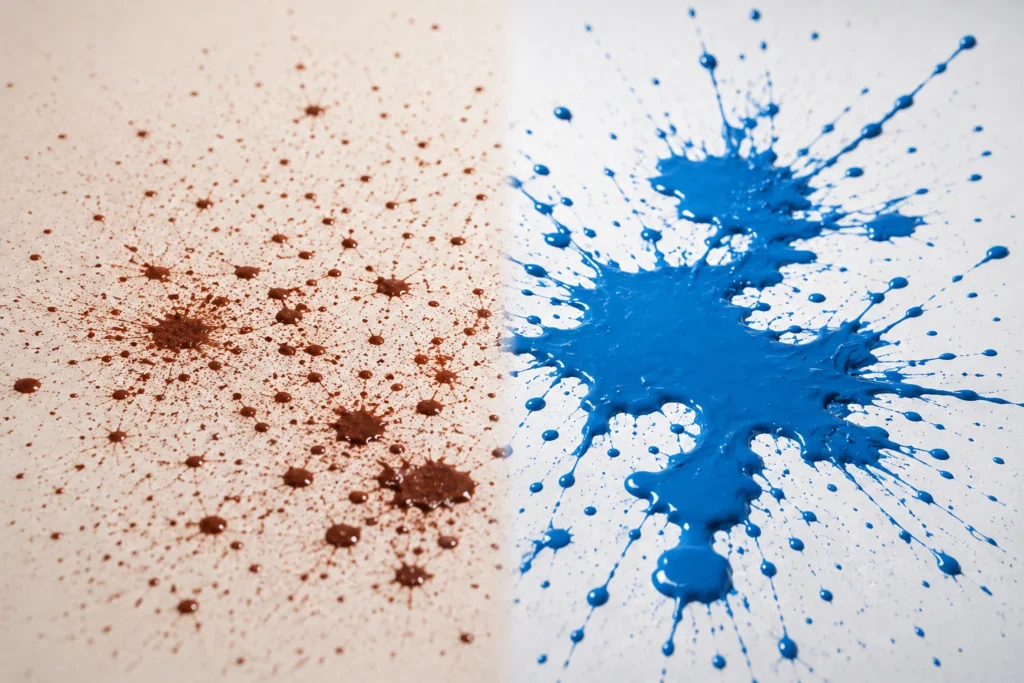
The difference between spatter vs. splatter often comes down to how something spreads, how much force is involved, and the amount of mess created. Both words describe liquids or substances breaking into droplets and spreading across a surface. However, they do not always create the same image. How Spatter and Splatter Are Used Spatter and

Spatter vs. Splatter: What’s the Difference? Understanding the Nuances Read More »