

What Does “Runt of the Litter” Mean?
The phrase “runt of the litter” refers to the smallest or least developed member of a group, especially among animals born during the same pregnancy. Most commonly, people use it when talking about puppies, kittens, or other newborn animals. However, the expression has grown beyond its original animal meaning and now describes people, teams, businesses, products, or ideas that appear smaller or less powerful compared with others.
Imagine a litter of puppies where one puppy is noticeably smaller than its brothers and sisters. That puppy may need extra care, more feeding attention, or additional monitoring during early growth. People often call that animal the runt of the litter. The term creates an immediate picture of a smaller member trying to keep up with a larger group.
In everyday language, the phrase often carries a deeper message. Someone described as the runt of the litter may be viewed as the overlooked person in a family, the smallest competitor in a market, or the least expected person to succeed. Yet the phrase does not always mean failure. Many stories use the idea of the runt to represent determination, growth, and unexpected achievement.
For example, a small startup competing against huge corporations might initially look like the runt of the litter. It may have fewer employees, less funding, and fewer resources. However, with innovation and persistence, that same company can eventually become a major competitor.
The meaning depends on the situation, tone, and intention behind the speaker’s words.
Definition of Runt of the Litter
The basic definition of “runt of the litter” is:
The smallest or weakest member of a group of offspring, especially animals born at the same time.
The word runt originally described an unusually small animal. Over time, people began using it more broadly to describe anything that appears smaller, weaker, or less important compared with similar members of a group.
A litter refers to a group of baby animals born from the same mother during one birth event. Dogs, cats, rabbits, and other mammals commonly have litters. Within a litter, some newborns may naturally be larger while others may be smaller.
A runt may have:
- A lower birth weight
- Smaller body size
- Less physical strength at birth
- Greater need for care during early development
- Difficulty competing for food among siblings
However, being the smallest does not automatically mean the animal will remain weak forever.
Many runts grow into healthy adults when they receive proper nutrition, veterinary attention, and a supportive environment. Size at birth is only one factor that affects future development.
Quick Definition Table
| Term | Meaning | Example |
| Runt | The smallest or weakest member of a group | The smallest puppy in a litter |
| Litter | A group of animals born from the same mother at one time | A litter of six kittens |
| Runt of the litter | The smallest member among siblings | The smallest puppy compared with its brothers and sisters |
| Figurative meaning | A person or thing considered smaller or less powerful | A small business competing with industry leaders |
The phrase can describe physical size, social position, reputation, or perceived ability.
For example:
- A tiny puppy among larger siblings may be the literal runt of the litter.
- A new company competing against established brands may be the figurative runt of the litter.
- A younger sibling who is underestimated by others may be called the runt of the litter in a family conversation.
The Literal Meaning of “Runt of the Litter”
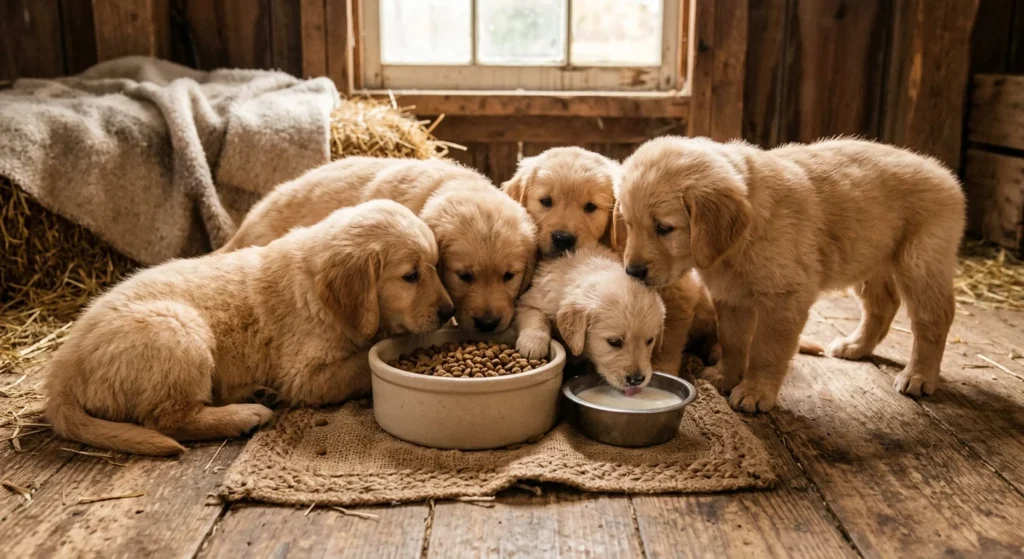
The original meaning of runt of the litter comes from animal biology. When a mother animal gives birth to multiple offspring, each newborn does not always develop at the same rate. Some babies are naturally larger and stronger, while others may be smaller at birth.
A runt is usually the offspring that falls behind its siblings in size or development.
For many years, people believed that the smallest animal in a litter was automatically unhealthy. Modern veterinary understanding shows that this is not always true.
A smaller newborn may simply have experienced different conditions before birth. Factors such as genetics, position in the womb, and access to nutrients can influence size differences.
Common Characteristics of a Runt
A runt may show:
- Smaller birth size
- Lower initial body weight
- Slower early growth
- Greater dependence on care
- Difficulty competing with larger siblings
For example, if a litter contains eight puppies, one puppy may weigh significantly less than the others. The smaller puppy may struggle to reach the mother for milk because stronger siblings push ahead. With human support, that puppy can still grow into a healthy adult dog.
This is why responsible breeders and pet owners pay close attention to smaller newborn animals.
They may provide:
- Additional feeding support
- Regular weight checks
- Veterinary examinations
- A warm and safe environment
A runt often needs more attention during early life, but early challenges do not determine the entire future.
Literal vs. Figurative Meaning of Runt of the Litter
The phrase has two major meanings: a literal animal meaning and a figurative human meaning.
Understanding the difference helps prevent confusion.
Literal Meaning
The literal meaning focuses on physical characteristics.
It describes:
- The smallest animal in a litter
- The weakest newborn compared with siblings
- The offspring requiring extra care
Example:
“The smallest puppy was the runt of the litter, but it grew into a healthy and energetic dog.”
In this sentence, the phrase describes an actual animal.
Figurative Meaning
The figurative meaning applies the idea to people, organizations, or situations.
It describes:
- The smallest member of a group
- Someone underestimated by others
- A competitor with fewer advantages
- A person who appears less successful compared with peers
Example:
“The small technology company was considered the runt of the litter until its innovative product changed the market.”
Here, the phrase does not describe physical size. It describes position and perception.
Comparison Table: Literal vs. Figurative Meaning
| Type | Meaning | Example |
| Literal | Smallest animal in a litter | A puppy smaller than its siblings |
| Figurative | Smallest or least powerful member of a group | A small company competing against giants |
| Positive use | Someone who proves expectations wrong | An overlooked athlete becoming successful |
| Negative use | Someone viewed as weak or inferior | A person unfairly judged by others |
The figurative meaning often creates a stronger emotional connection because it reflects a common human experience: being underestimated.
Why People Use This Expression
People use the phrase “runt of the litter” because it communicates an idea quickly. Instead of explaining that someone is smaller, overlooked, or underestimated, the expression creates a clear mental image.
Idioms like this work because they connect everyday language with familiar experiences.
When someone says:
“That company was the runt of the litter.”
Most listeners immediately understand that the company started with disadvantages compared with competitors.
The phrase also adds storytelling value. It creates a beginning point in a larger journey.
Many successful stories follow a similar pattern:
- Someone starts with fewer advantages.
- Others underestimate them.
- They face challenges.
- They prove their ability.
This pattern appears in sports, business, entertainment, and personal success stories.
Examples of the Expression in Different Contexts
| Context | Example Meaning |
| Animals | The smallest puppy in a group |
| Family | The youngest or smallest sibling |
| Sports | A weaker-looking team that surprises competitors |
| Business | A small company competing with large corporations |
| Education | A student underestimated by classmates |
| Entertainment | A lesser-known creator becoming successful |
The phrase remains popular because it contains both struggle and possibility.
A person called the runt of the litter may face disadvantages, but the phrase also leaves room for transformation. The smallest member of a group can still become the strongest performer.
Positive and Negative Interpretations of “Runt of the Litter”
The phrase does not have only one emotional meaning. Its effect depends on how someone uses it.
Positive Interpretation
In a positive context, the phrase highlights:
- Determination
- Growth
- Unexpected success
- Overcoming challenges
Example:
“The team entered the tournament as the runt of the litter, but they defeated several top-ranked opponents.”
Here, the phrase creates a feeling of admiration.
Negative Interpretation
In a negative context, it may suggest:
- Weakness
- Inferiority
- Lack of importance
- Low expectations
Example:
“Everyone treated the new employee like the runt of the litter.”
This usage suggests unfair judgment.
Because of this difference, speakers should consider their audience before using the phrase.
Key Takeaways About the Meaning of “Runt of the Litter”
- “Runt of the litter” originally describes the smallest animal in a group of newborns.
- The phrase can also describe people, businesses, teams, or ideas that seem less powerful.
- Being a runt does not guarantee weakness or failure.
- The expression often represents someone or something underestimated by others.
- Context determines whether the phrase sounds affectionate, motivational, or insulting.
The phrase continues to survive in modern English because it tells a simple but powerful story: the smallest member of a group may still have the ability to achieve something remarkable.
Runt of the Litter – Origin, History, and Literal Animal Meaning
Origin and History of “Runt of the Litter”
The expression “runt of the litter” began as a practical term used by people who worked closely with animals. Farmers, breeders, and animal caretakers needed ways to describe differences between newborn animals. When one offspring appeared much smaller or weaker than the others, they often identified it as the runt.
The word runt has a long history in the English language. Originally, it referred to a small or undersized animal. Over time, the term developed a broader meaning and became associated with anything considered unusually small compared with similar things.
The phrase became especially common in discussions about domestic animals such as:
- Dogs
- Cats
- Horses
- Cattle
- Pigs
- Rabbits
People raising animals noticed that members of the same litter or birth group could have noticeable differences in size and strength. The smallest offspring often required more attention because larger siblings could compete more successfully for food and warmth.
However, early beliefs about runts were not always accurate. Many people assumed that a smaller newborn animal would always remain weak or unhealthy. Modern animal science shows that early size differences do not always predict adult health or ability.
A smaller animal can grow normally when it receives:
- Proper nutrition
- Medical care when needed
- Protection from competition
- A healthy living environment
The history of this phrase shows how everyday observations about animals became part of human language.
Where the Phrase Came From
The phrase “runt of the litter” developed from the relationship between humans and domesticated animals. For centuries, people depended on animals for farming, transportation, companionship, and food production. Because of this close connection, animal-related terms became common parts of everyday speech.
A litter refers to several offspring born during the same pregnancy. The term is most often associated with mammals that produce multiple young at one time.
Examples include:
- A dog giving birth to eight puppies
- A cat giving birth to five kittens
- A rabbit producing several babies
Within these groups, one newborn may be noticeably smaller than the others. That animal became known as the runt of the litter.
The phrase likely became widely recognized because it describes something people could easily observe. A farmer or pet owner did not need scientific equipment to notice that one puppy was smaller than the rest.
The expression also connected with a common human idea: groups often have members who stand out because they are different.
For example:
- The smallest child in a family
- The newest employee in a company
- The least experienced player on a team
Over time, people began applying the phrase outside animal situations.
How the Meaning Has Changed Over Time
The meaning of “runt of the litter” has expanded significantly.
Originally, it was mainly a biological description. It simply identified the smallest animal among siblings.
Today, the phrase can describe:
- A person
- A company
- A sports team
- A product
- A project
- A group member
The change happened because language often develops through comparison. Humans naturally use familiar experiences to explain unfamiliar situations.
A small puppy struggling among larger siblings became a metaphor for anyone facing disadvantages.
Evolution of Meaning
| Time Period | Common Meaning |
| Earlier usage | A small or weak animal in a litter |
| Agricultural usage | The smallest offspring needing extra attention |
| Modern everyday usage | The smallest or least powerful member of any group |
| Positive modern usage | An underestimated person or group that succeeds |
The modern meaning often includes an emotional element. The phrase can suggest struggle, but it can also suggest determination.
For example:
A small sports team entering a championship may be called the runt of the litter because other teams have better records, more funding, or stronger players. If that team wins, the phrase becomes part of an inspiring story.
Why the Phrase Endured
Many expressions disappear over time, but “runt of the litter” remains popular because it creates a strong image with only a few words.
The phrase works because people immediately understand the comparison.
When someone hears:
“They were the runt of the litter.”
They usually imagine:
- A smaller member
- A difficult starting position
- A group comparison
- Someone overlooked by others
The expression also remains popular because it appears in many types of storytelling.
Writers, journalists, and speakers use it when describing:
- Unexpected winners
- Small competitors
- Underdogs
- People who overcome limitations
The phrase connects with a powerful human theme: success does not always come from having the biggest advantage.
Many successful individuals and organizations started with limited resources. Their stories often follow the same pattern as the runt:
- They begin as the smallest or least noticed.
- Others underestimate them.
- They develop their strengths.
- They achieve unexpected results.
This emotional connection keeps the phrase relevant.
A Biological Fact Behind the Idiom
Although “runt of the litter” is often used as an expression, it comes from real biological differences among newborn animals.
A litter does not always produce identical offspring. Even siblings with the same parents can have different sizes, personalities, and development patterns.
Several biological factors can influence why one animal becomes smaller than the others.
Factors That Can Create a Runt
| Factor | How It Can Affect Development |
| Genetics | Inherited traits may influence body size and growth rate |
| Womb position | Location inside the uterus may affect access to resources |
| Nutrient supply | Less access to nutrients before birth may reduce growth |
| Litter size | More offspring can increase competition for resources |
| Birth timing | Early birth may affect development |
Being the smallest does not automatically mean an animal has a serious problem.
Veterinarians often focus more on overall health indicators, including:
- Energy level
- Ability to feed
- Weight gain
- Normal movement
- Development progress
A small puppy that gains weight consistently may be healthier than a larger sibling with medical issues.
The Literal Meaning of “Runt of the Litter” in Animals
What Is a Runt in a Litter?
A runt in a litter is the offspring that is significantly smaller than its siblings at birth or during early development.
The term does not describe a specific breed, species, or permanent condition. Any animal that produces multiple offspring can potentially have a smaller member within the group.
For example, a litter of puppies may include:
- One large puppy
- Several medium-sized puppies
- One noticeably smaller puppy
The smallest puppy may be called the runt of the litter.
However, size alone does not tell the complete story. A small newborn can still have:
- Strong survival instincts
- Normal intelligence
- A healthy personality
- Good physical ability
Many runts become normal-sized adults depending on genetics, care, and circumstances.
Why Some Animals Become Runts
The development of a runt usually involves several factors rather than one single cause.
Limited Space in the Womb
Before birth, animals develop inside the mother’s uterus. In large litters, space can become limited.
When many offspring develop together, they may not receive identical conditions.
A fetus positioned in a less favorable location may receive fewer resources compared with siblings.
This does not mean the mother intentionally favors one offspring. Instead, biological conditions naturally create differences.
Reduced Nutrient Supply
Before birth, developing animals depend on nutrients delivered through the mother.
If one offspring receives fewer nutrients, it may develop more slowly.
After birth, competition continues. Larger siblings may reach food sources more easily, especially during early nursing.
This is why smaller newborn animals may need additional monitoring.
Genetics
Genetics plays an important role in animal size.
Two animals from the same parents can still have different inherited traits.
One puppy may naturally have:
- A smaller body frame
- Different growth patterns
- Lower expected adult size
Genetic differences are normal and do not always indicate poor health.
Large Litter Size
A larger litter increases competition before and after birth.
For example:
- A dog giving birth to two puppies may provide more resources per puppy.
- A dog giving birth to twelve puppies creates more competition.
More siblings can make size differences more noticeable.
Premature Birth
Animals born earlier than expected may have less developed bodies.
Premature newborns may experience:
- Lower weight
- Reduced strength
- Difficulty feeding
- Greater need for care
With proper support, some premature animals can catch up during growth.
Do Runts Always Stay Smaller?
No. A common misconception is that the runt of the litter will always remain the smallest animal forever.
Some runts stay smaller because of genetics, but others experience rapid growth after birth.
Growth depends on:
- Breed characteristics
- Nutrition
- Health conditions
- Exercise
- Care quality
A small puppy may eventually reach a normal adult size.
For example, a puppy that weighs less than its siblings at birth may experience a growth period where it catches up over several months.
Can a Runt Grow Normally?
Yes, many runts grow into healthy adults.
Proper care can make a significant difference during early development.
Helpful steps include:
- Monitoring weight regularly
- Ensuring enough food intake
- Providing a warm environment
- Scheduling veterinary checkups
- Watching for signs of illness
The idea that every runt is weak is a myth.
Many animal owners report that smaller pets develop strong personalities because they receive extra attention and overcome early challenges.
Common Myths About Runts
Myth: A Runt Is Always Sick
Reality: Some runts have health challenges, but many are completely healthy.
Size alone does not determine overall condition.
Myth: Runts Cannot Survive
Reality: Many runts survive and thrive with proper care.
Veterinary support and responsible ownership improve outcomes.
Myth: The Smallest Animal Is Always the Weakest
Reality: Physical size does not always equal strength, intelligence, or ability.
A smaller animal may be energetic, active, and highly capable.
Myth: Runts Are Always Less Valuable
Reality: Every animal has individual qualities beyond size.
Personality, health, and behavior matter more than birth size.
Case Study: The Smallest Puppy That Became the Strongest
A common example used by animal lovers involves a small puppy that receives extra care during early life and eventually becomes a healthy, active dog.
The story often follows this pattern:
- The puppy begins smaller than siblings.
- Owners provide additional feeding support.
- The puppy gains strength over time.
- The once-overlooked animal becomes a beloved companion.
These examples show why the phrase “runt of the litter” does not have to represent weakness forever.
The smallest member of a group may simply need more time, support, and opportunity to show its abilities.
Runt of the Litter Meaning, Usage, and Examples in Figurative Language
Runt of the Litter in Figurative Language
The phrase “runt of the litter” has moved far beyond its original animal meaning. In modern English, people often use it as a figurative expression to describe someone or something that appears smaller, weaker, less experienced, or less important compared with others in the same group.
When used figuratively, the phrase is not about actual physical size. Instead, it describes a position or perception. A person, company, team, or idea may be considered the runt of the litter because others underestimate its ability or assume it has fewer chances of success.
For example:
“The small local brand was the runt of the litter compared with international companies, but its unique products helped it grow.”
In this example, the company is not literally small like an animal. The phrase describes its position in a competitive environment.
Figurative language works because people understand the image behind the words. Everyone can imagine a smaller puppy trying to keep up with larger siblings. That image creates an emotional connection with situations where someone has to overcome disadvantages.
Describing the Weakest or Smallest Member
The most common figurative use of “runt of the litter” is describing the member of a group that appears to have the least power, influence, or recognition.
This can apply to many areas:
| Situation | How the Phrase Is Used |
| Business | A small company competing against industry leaders |
| Sports | A team with fewer resources facing stronger opponents |
| Family | The youngest or smallest sibling |
| Education | A student who seems less capable than classmates |
| Technology | A new product competing against established products |
| Entertainment | A lesser-known creator competing with famous names |
However, the phrase does not always mean the person or thing is actually inferior. Often, it reflects how others view the situation at first.
A small team may appear weak because it lacks experience. A new business may seem unimportant because it has fewer customers. A student may be underestimated because they perform poorly at first.
The phrase often highlights the gap between appearance and reality.
A person described as the runt of the litter may later become the strongest performer.
Positive vs. Negative Connotations
The meaning of “runt of the litter” depends heavily on context. The same phrase can sound encouraging in one situation and insulting in another.
Positive Meaning
In a positive context, the phrase represents:
- An unexpected success
- An underestimated competitor
- Someone who proves others wrong
- A person who overcomes disadvantages
Example:
“The small startup was the runt of the litter, but it became one of the fastest-growing companies in the industry.”
Here, the phrase creates a sense of admiration. The company started with fewer advantages but achieved impressive results.
Negative Meaning
In a negative context, the phrase may suggest:
- Weakness
- Inferiority
- Lack of importance
- Failure
Example:
“They treated him like the runt of the litter because he had the least experience.”
In this case, the phrase shows unfair judgment.
Because of these different meanings, speakers should think about their relationship with the listener before using it.
Calling a close friend’s small pet the runt of the litter may sound affectionate. Calling a coworker the same thing may sound disrespectful.
When and How to Use “Runt of the Litter”
The phrase works best when describing a comparison between members of the same group.
It makes sense when there are:
- Multiple competitors
- Several siblings
- Different organizations
- Various options within a category
For example:
“Among all the new smartphone companies, that brand looked like the runt of the litter.”
The phrase works because there is a clear comparison.
It would sound unusual to say:
“That person is the runt of the litter.”
without explaining what group or comparison is involved.
The listener needs context to understand why someone is considered smaller or weaker.
Common Situations Where the Idiom Fits
Family Relationships
Families are one of the most common places where people use this expression casually.
A younger or smaller sibling may jokingly be called the runt of the litter. In these situations, the phrase is usually playful rather than serious.
Example:
“My brother was the runt of the litter because he was the youngest, but he ended up becoming the tallest.”
This usage often reflects family humor.
However, family members should use caution because labels can affect confidence. A child who repeatedly hears that they are the weakest or least capable may start believing that idea.
A better approach is to use the phrase in a way that highlights growth.
For example:
“She was the little one in the family, but she always had the biggest personality.”
Sports
Sports provide many examples of the runt of the litter idea.
A team may receive this label when:
- It has a smaller budget
- It has fewer famous players
- It lacks championship history
- Experts expect it to lose
Yet sports history is filled with unexpected victories.
A team considered the underdog can succeed because of:
- Strong teamwork
- Better strategy
- Determination
- Adaptability
The phrase often appears in sports storytelling because fans enjoy seeing smaller competitors challenge favorites.
Example:
“The small-town team entered the tournament as the runt of the litter, but their teamwork carried them to the final.”
Business
In business, the phrase often describes smaller companies competing against larger organizations.
A startup may be considered the runt of the litter because it has:
- Fewer employees
- Less funding
- Lower brand awareness
- Smaller market share
However, size does not always determine success.
Smaller businesses can compete through:
- Innovation
- Customer relationships
- Specialized products
- Faster decision-making
For example, a small technology company may create a better solution than larger competitors because it can adapt quickly.
The phrase creates a common business story: the small competitor challenging powerful leaders.
Education
In schools, the phrase may describe a student who appears less successful compared with classmates.
A student may be labeled this way because of:
- Lower grades
- Less confidence
- Fewer achievements
- Difficulty understanding certain subjects
However, academic ability can change over time.
A student who struggles early may improve through:
- Better learning methods
- Practice
- Support from teachers
- Increased confidence
Using the phrase about students requires care because negative labels can damage motivation.
Everyday Conversation
In casual conversations, people may use “runt of the litter” to describe situations where one option seems less impressive.
Examples include:
- The smallest house in a neighborhood
- The least popular product in a category
- The newest member of a group
Example:
“That restaurant was the runt of the litter when it opened, but now it has become the busiest place in town.”
The phrase adds storytelling because it suggests a journey from being overlooked to becoming successful.
Formal vs. Informal Usage of “Runt of the Litter”
The phrase is mainly considered informal language.
It works well in:
- Casual conversations
- Stories
- Articles
- Interviews
- Entertainment writing
It is less suitable for:
- Academic papers
- Professional evaluations
- Official reports
- Sensitive discussions
For formal situations, clearer alternatives may work better.
Instead of:
“The company is the runt of the litter.”
A professional report might say:
“The company is the smallest competitor in the market.”
Instead of:
“He is the runt of the litter.”
A respectful description might be:
“He is the newest and least experienced member of the team.”
The difference is tone. Informal expressions add personality, while formal language focuses on accuracy.
Is the Phrase Offensive?
The phrase “runt of the litter” can be offensive when used to describe a person directly.
The reason is simple: it compares a person to a weak or inferior member of a group.
Whether it sounds harmful depends on:
- Who says it
- Who hears it
- The relationship between people
- The intention behind the words
Situations Where It May Sound Acceptable
The phrase may work when:
- Talking about animals
- Describing a fictional character
- Discussing a team’s unexpected success
- Using it humorously among close friends
Example:
“Our little dog was the runt of the litter, but she became the most energetic pet.”
Situations Where It May Hurt
Avoid using it when:
- Criticizing someone
- Describing an employee
- Talking about a student
- Comparing people unfairly
A person may hear the phrase as saying they are:
- Not valuable
- Not talented
- Less important
Language choices matter, especially when discussing real people.
Tips for Using the Phrase Naturally
To use “runt of the litter” effectively, consider these guidelines:
Provide Context
The phrase works better when the comparison is clear.
Good example:
“The small company was the runt of the litter among major technology firms.”
Weak example:
“He was the runt of the litter.”
The second example leaves the listener wondering: among whom?
Consider Your Audience
Ask whether the phrase will sound playful or disrespectful.
A phrase that works with friends may not work in a workplace.
Focus on Growth
The most interesting uses of the phrase often show transformation.
Examples:
- The smallest team winning a championship
- A small business becoming successful
- An overlooked person achieving a goal
Avoid Using It as a Permanent Label
The phrase describes a situation, not a person’s entire identity.
Someone may start as the smallest member of a group but later become the strongest.
Key Points About Using “Runt of the Litter”
- The phrase can describe both animals and human situations.
- Its meaning changes depending on context.
- It often represents an underdog story.
- It can sound positive when describing unexpected success.
- It can sound negative when used as a direct insult.
- Careful wording helps keep the expression natural and respectful.
Runt of the Litter Examples, Comparisons, and Related Expressions
Examples of “Runt of the Litter” in Sentences
The phrase “runt of the litter” appears in many types of conversations because it can describe animals, people, organizations, and situations. The meaning changes depending on whether the speaker uses it literally or figuratively.
A good way to understand the phrase is to see how it works in real sentences.
Everyday Conversation Examples
In casual conversations, people often use “runt of the litter” playfully or descriptively.
Examples:
- “That little puppy was the runt of the litter, but it had the biggest personality.”
- “Our old family car was the runt of the litter compared with the newer models, but it never gave us trouble.”
- “The smallest restaurant on the street was considered the runt of the litter until everyone discovered its amazing food.”
- “She was the runt of the litter among her cousins because she was the youngest, but she became the most adventurous.”
These examples show that the phrase does not always represent weakness. Sometimes it simply describes the smallest member of a group.
Examples About People
When used for people, “runt of the litter” usually describes someone who is overlooked or underestimated.
Examples:
“As the youngest child, he was often called the runt of the litter, but he became the most successful person in the family.”
“Nobody expected the quiet employee to lead the project because they saw him as the runt of the litter.”
“The new player was the runt of the litter during training, yet his dedication helped him become one of the strongest athletes.”
These examples show an important idea: being underestimated does not determine future success.
A person may appear less capable because of:
- Age
- Experience
- Size
- Background
- Resources
However, those factors do not always reflect actual ability.
Examples About Animals
The original meaning of “runt of the litter” relates to animals.
Examples:
| Sentence | Meaning |
| “The smallest puppy was the runt of the litter.” | The puppy was smaller than its siblings |
| “The kitten was the runt of the litter, but it grew into a healthy cat.” | The kitten started smaller but developed normally |
| “The breeder gave extra attention to the runt of the litter.” | The smallest animal received additional care |
Animal examples are usually the safest and most direct use of the phrase because they match its original meaning.
Workplace Examples
In workplaces, people sometimes use the phrase to describe smaller companies, teams, or projects.
For example:
“The new department was the runt of the litter compared with the company’s larger divisions.”
This means the department had fewer resources or less recognition.
Other examples:
- “The small startup was the runt of the litter in a market controlled by global corporations.”
- “The new employee felt like the runt of the litter because everyone else had years of experience.”
- “The smaller team looked like the runt of the litter, but its creative approach helped it win the contract.”
However, professional communication requires caution. Calling a coworker or team the runt of the litter may sound disrespectful.
More neutral alternatives include:
- Smallest team
- Newest group
- Emerging competitor
- Less established company
School Examples
In education, the phrase may describe students or schools that appear less successful compared with others.
Examples:
- “The school was considered the runt of the litter because it had fewer resources than nearby schools.”
- “He entered the class as the runt of the litter, but his hard work helped him become one of the top students.”
- “The quiet student seemed like the runt of the litter at first, but she surprised everyone during the competition.”
These examples highlight why labels can be misleading.
A student’s early performance does not always predict future achievement.
Factors such as:
- Support
- Motivation
- Practice
- Learning opportunities
can completely change outcomes.
Literary and Media Examples of “Runt of the Litter”
Writers often use the idea behind “runt of the litter” because it creates an emotional character journey.
Many popular stories follow a similar pattern:
- A character starts with disadvantages.
- Others underestimate them.
- The character faces challenges.
- The character proves their ability.
This pattern appears in:
- Sports stories
- Fantasy adventures
- Business dramas
- Family stories
- Animal tales
The appeal comes from the contrast between expectations and reality.
Readers enjoy watching an overlooked character succeed because it creates a feeling of hope and possibility.
A small character overcoming challenges often becomes more memorable than a naturally powerful character who succeeds easily.
Example Comparison Table
| Phrase Use | Literal Meaning | Figurative Meaning | Possible Feeling |
| Runt of the litter | Smallest animal in a litter | Smallest or overlooked member of a group | Can be negative or inspiring |
| Underdog | A competitor expected to lose | Person or group with fewer advantages | Often positive |
| Black sheep | Unusual member of a group | Someone who behaves differently | Often negative |
| Weakest link | The weakest part of a chain | Least effective group member | Usually negative |
| Top dog | Dominant animal | Leader or winner | Positive |
This comparison helps show that similar expressions can have different meanings.
Common Sentence Patterns
The phrase usually appears in sentences that compare one member with others.
Common patterns include:
Pattern 1: Describing a Small Beginning
“The company started as the runt of the litter, but it eventually became a market leader.”
This structure emphasizes growth.
Pattern 2: Explaining an Unexpected Success
“Many people considered them the runt of the litter, yet they proved everyone wrong.”
This structure creates an underdog story.
Pattern 3: Describing Physical Differences
“The puppy was the runt of the litter, weighing less than its siblings.”
This structure uses the literal meaning.
Pattern 4: Comparing Groups
“Among all the competitors, the small team was the runt of the litter.”
This structure highlights differences in size, resources, or reputation.
Similar Idioms and Expressions
The English language contains many expressions related to size, strength, and position within a group. Some are close in meaning to “runt of the litter,” while others describe the opposite idea.
Underdog
An underdog is a person or group expected to lose because they have fewer advantages.
The two expressions overlap because both describe someone who appears weaker.
However, there is an important difference:
- Runt of the litter focuses on being the smallest or least significant.
- Underdog focuses on having lower chances of success.
Example:
“The small team was the underdog, but they won the championship.”
The phrase usually creates a more positive feeling because people enjoy supporting unexpected winners.
Black Sheep
A black sheep describes someone different from the rest of a group, especially in behavior or choices.
The difference:
| Expression | Main Idea |
| Runt of the litter | Smallest or weakest member |
| Black sheep | Different or unusual member |
Example:
“He was the black sheep of the family because he chose a completely different career path.”
The person is not necessarily weak. They are simply different.
Weakest Link
The phrase “weakest link” describes the least effective part of a group or system.
Example:
“Communication was the weakest link in the project.”
Unlike “runt of the litter,” this phrase usually focuses on performance rather than size.
Bottom of the Pecking Order
This expression describes someone with the lowest position in a social or organizational hierarchy.
It often relates to:
- Status
- Authority
- Influence
Example:
“As the newest employee, she felt like she was at the bottom of the pecking order.”
Small Fry
Small fry refers to someone or something considered unimportant or less powerful.
Example:
“The small company was treated like small fry by larger competitors.”
It is usually more casual than “runt of the litter.”
Opposite Expressions of “Runt of the Litter”
Understanding opposite phrases helps show the full meaning of the idiom.
Pick of the Litter
The opposite of “runt of the litter” is often “pick of the litter.”
It describes the best or strongest member of a group.
Example:
“That puppy was the pick of the litter because it had excellent health and temperament.”
Top Dog
Top dog means the most powerful or successful member of a group.
Example:
“The company became the top dog in the industry.”
The phrase suggests leadership and dominance.
Cream of the Crop
This expression describes the highest-quality members of a group.
Example:
“Only the cream of the crop reached the final competition.”
It focuses on excellence.
Best of the Bunch
This phrase means the best choice among several options.
Example:
“After testing several products, this one was the best of the bunch.”
It is a common positive comparison.
Key Points About Examples and Comparisons
- “Runt of the litter” can describe animals, people, teams, or organizations.
- The phrase often appears in stories about unexpected success.
- Similar idioms may focus on weakness, difference, or competition.
- The meaning depends on context and tone.
- Using the phrase carefully helps avoid making unfair judgments.
Understanding examples and related expressions makes it easier to use “runt of the litter” naturally in everyday English.
Runt of the Litter Mistakes, Synonyms, and Complete Usage Guide
Common Mistakes When Using “Runt of the Litter”
The phrase “runt of the litter” is easy to understand, but many people misuse it because they focus only on the idea of being small or weak. The expression has a specific meaning, and using it correctly requires understanding the context behind it.
A person, animal, or organization described as the runt of the litter is not automatically unsuccessful. The phrase describes a position within a group, not a permanent identity.
For example, a small company may start as the runt of the litter in its industry but later become a market leader. A small puppy may begin life as the smallest sibling but grow into a healthy adult dog.
Understanding these details prevents common mistakes.
Mistake 1: Assuming It Always Means Failure
One of the biggest mistakes is believing that being the runt of the litter means someone or something will fail.
The phrase usually describes an initial disadvantage, not a final result.
A smaller member of a group may still have:
- Strong abilities
- Unique qualities
- Greater determination
- Better potential
For example:
“The startup was the runt of the litter when it launched, but its creative approach helped it outperform larger competitors.”
The company began with fewer advantages, but that did not prevent success.
Many real-world success stories follow this pattern. Smaller competitors often succeed because they find new solutions, serve specific audiences, or adapt faster than larger organizations.
Why This Mistake Happens
People often connect size with ability.
However, size does not always determine:
- Intelligence
- Skill
- Creativity
- Future growth
- Success
A small beginning can lead to a significant achievement.
Mistake 2: Using It as a Personal Insult
Another common mistake is using “runt of the litter” directly against a person in a negative way.
Although the phrase can be playful, it may sound disrespectful when aimed at someone.
For example:
“You are the runt of the litter.”
This statement may make someone feel:
- Less important
- Unwanted
- Inferior
- Unsuccessful
The problem is not only the phrase itself. The issue is the message behind it.
When describing a person, consider more respectful alternatives:
Instead of:
“He is the runt of the litter.”
You could say:
- “He is the youngest member of the group.”
- “She started with fewer advantages.”
- “They were underestimated at first.”
These alternatives describe the situation without creating a negative label.
Mistake 3: Confusing It With “Black Sheep”
Many people confuse “runt of the litter” with “black sheep” because both expressions describe someone who stands apart from a group.
However, they have different meanings.
| Expression | Meaning |
| Runt of the litter | The smallest, weakest, or least recognized member |
| Black sheep | A person who behaves differently or does not fit group expectations |
A person can be both, but the ideas are not the same.
Example:
A younger sibling who is smaller than everyone else may be the runt of the litter.
A family member who chooses an unusual career path may be the black sheep.
The difference is:
- Runt focuses on size, position, or perceived weakness.
- Black sheep focuses on difference or unusual behavior.
Mistake 4: Using It Outside Group Comparisons
The phrase only makes sense when there is a group comparison.
A runt of the litter must be the smaller or less recognized member compared with others.
Incorrect:
“This product is the runt of the litter.”
This sentence lacks context.
Better:
“Among the five products released this year, this model was considered the runt of the litter.”
Now the comparison is clear.
The phrase works best when the audience understands:
- What the group is
- Why one member stands out
- How the comparison is being made
Synonyms and Related Words
Several words and expressions share similar meanings with “runt of the litter.” However, each option has a slightly different feeling.
Choosing the right alternative depends on whether you want to emphasize size, weakness, status, or potential.
Synonyms for “Runt of the Litter”
Smallest Member
This is the simplest and most neutral alternative.
Example:
“The smallest member of the team showed impressive skills.”
Unlike “runt,” it does not suggest weakness.
Underdog
An underdog describes someone expected to have a lower chance of success.
Example:
“The small team entered the competition as an underdog.”
This word often carries a positive feeling because people enjoy seeing unexpected winners succeed.
Outsider
An outsider is someone who is not fully accepted or included.
Example:
“The new company started as an outsider in the industry.”
This focuses more on position than ability.
Lesser-Known Member
This phrase describes someone who has less recognition.
Example:
“The lesser-known member of the group eventually became famous.”
It is useful when discussing reputation rather than strength.
Small Fry
This informal phrase describes someone or something considered less important.
Example:
“The small business was viewed as small fry by major competitors.”
It can sound dismissive depending on the situation.
Related Animal Terms
Because “runt of the litter” comes from animal behavior, several related terms appear in similar conversations.
| Term | Meaning |
| Litter | A group of newborn animals from the same mother |
| Offspring | Young animals or children produced by parents |
| Sibling | Another member born from the same parents |
| Breeding | The process of producing animals |
| Puppy | A young dog |
| Kitten | A young cat |
These terms help explain the literal meaning behind the phrase.
Related Figurative Expressions
Many English expressions describe position, success, and competition.
Underdog
A person or group expected to lose but capable of surprising others.
Weakest Link
The least effective part of a system or group.
Bottom of the Pecking Order
Someone with the lowest status or influence.
Dark Horse
A person or group with unexpected potential.
Example:
“The unknown athlete became the dark horse of the competition.”
Comeback Story
A situation where someone succeeds after facing difficulties.
These expressions overlap with the idea behind “runt of the litter” because they all involve comparison and expectations.
Quick Comparison Table
| Expression | Meaning | Tone |
| Runt of the litter | Smallest or overlooked member of a group | Neutral, negative, or inspiring |
| Underdog | Person expected to lose but capable of winning | Usually positive |
| Black sheep | Someone who differs from the group | Often negative |
| Weakest link | Least effective member or part | Negative |
| Dark horse | Unexpected competitor with potential | Positive |
| Top dog | Most successful or powerful member | Positive |
This table shows why choosing the correct expression matters. Similar phrases may describe different situations.
When Should You Use “Runt of the Litter”?
The phrase “runt of the litter” works best when you want to describe an overlooked member of a group that appears smaller or weaker compared with others.
It is most appropriate in situations such as:
- Explaining animal development
- Telling an underdog story
- Describing a small competitor
- Discussing unexpected success
- Adding personality to casual writing
Good Situations to Use the Phrase
Storytelling
The phrase works well when telling a growth story.
Example:
“The team entered the competition as the runt of the litter but became the surprise winner.”
It creates curiosity because readers want to know how the smaller competitor succeeded.
Informal Conversations
The phrase can work among friends when the tone is friendly.
Example:
“Our little dog was the runt of the litter, but he has the biggest personality.”
Creative Writing
Writers use the phrase because it quickly creates an image.
It can introduce characters who:
- Start with disadvantages
- Face challenges
- Develop strengths
- Surprise others
Situations Where You Should Avoid It
Avoid using the phrase when:
- Evaluating employees
- Criticizing someone
- Writing formal reports
- Discussing sensitive personal topics
In these cases, neutral language is usually better.
Instead of:
“The employee is the runt of the litter.”
Use:
“The employee is the newest member of the team.”
The second version provides information without judgment.
Final Usage Guidelines
Before using “runt of the litter,” consider these questions:
Is There a Clear Comparison?
The phrase needs a group.
Ask:
- Who are the other members?
- Why is this one considered smaller or weaker?
Is the Tone Appropriate?
Think about whether the phrase sounds:
- Playful
- Descriptive
- Motivational
- Insulting
Does the Context Support the Meaning?
The phrase works best when it explains a situation rather than labels a person permanently.
A strong use of the phrase often follows this pattern:
Small beginning → Difficult challenge → Unexpected success
That is why the expression remains popular. It captures the idea that starting behind does not mean staying behind.
The runt of the litter may begin as the smallest member, but with opportunity, support, and determination, it can become the one everyone remembers.
Conclusion About Runt of the Litter – Definition, Meaning, and Examples
The phrase “runt of the litter” carries a meaning that goes beyond its original use with animals. It describes the smallest member of a group, but it also represents overlooked people, teams, businesses, and ideas that may surprise others. While the phrase can sometimes sound negative, it often tells a powerful story about growth, resilience, and unexpected success. Understanding the difference between the literal and figurative meanings helps you use this expression correctly in conversations and writing. Whether you are describing a tiny puppy, an underdog team, or a small company competing with larger rivals, the phrase reminds us that beginnings do not always define outcomes. The smallest member of a group can still become the strongest, most memorable, or most successful.
FAQs
What does “runt of the litter” mean?
“Runt of the litter” means the smallest or weakest member of a group, especially among animals born together. The phrase originally described young animals, such as puppies or kittens, but people also use it figuratively for someone or something considered smaller, less powerful, or overlooked compared with others.
Is a runt of the litter always unhealthy?
No, a runt of the litter is not always unhealthy. Some smaller animals may need extra care early in life, but many grow into healthy adults. Size at birth does not always determine future health, strength, personality, or ability.
Can a runt of the litter become the biggest animal?
Yes, some runts can catch up in growth and become similar in size to their siblings. Genetics, nutrition, medical care, and living conditions all influence development. A smaller start does not guarantee that an animal will remain small forever.
Is “runt of the litter” an insult?
It can be an insult when used toward a person because it may suggest weakness or inferiority. However, it can also be playful or positive when describing an underdog that succeeds despite starting with disadvantages. Context and tone determine how people interpret the phrase.
What is the difference between a runt and an underdog?
A runt refers to the smallest or least developed member of a group, while an underdog describes someone expected to have a lower chance of success. Both ideas involve disadvantage, but an underdog usually focuses more on competition and unexpected achievement.
Can the phrase “runt of the litter” describe people?
Yes, people sometimes use the phrase figuratively to describe someone who is the smallest, youngest, least experienced, or overlooked member of a group. However, it should be used carefully because some people may find the comparison disrespectful.
Where did the phrase “runt of the litter” come from?
The phrase comes from animal breeding and farming practices. People used it to describe the smallest animal among a group of newborn offspring. Over time, the expression expanded into everyday language to describe people, businesses, and situations.
What animals can have a runt of the litter?
Many mammals that give birth to multiple offspring can have a runt. Common examples include dogs, cats, rabbits, and other animals that produce litters. Differences in genetics, nutrition, and development can cause one newborn to be smaller than its siblings.
What are similar expressions to “runt of the litter”?
Similar expressions include underdog, small fry, weakest link, and black sheep. However, each phrase has a different meaning. For example, an underdog focuses on competition, while a black sheep describes someone different from a group.
When should you use “runt of the litter”?
You can use “runt of the litter” when describing an animal, an overlooked competitor, or a smaller member of a group in an informal setting. Avoid using it as a negative label for people, especially in professional or sensitive situations.
Meta Description
Discover the Runt of the Litter meaning, definition, examples, animal facts, and usage tips in this complete guide for readers online today