Bilal

Inquiring Minds Want to Know: Meaning, Usage, Origin, and Everyday Examples

Inquiring Minds Want to Know: Meaning, Usage, Origin, and Everyday Examples

When people say “inquiring minds want to know,” they usually express curiosity, interest, or a desire to discover information that catches their attention. The phrase appears in conversations, articles, advertisements, social media posts, and humorous situations where someone wants an answer. It can sound serious, playful, or even slightly sarcastic depending on the situation. The

Inquiring Minds Want to Know: Meaning, Usage, Origin, and Everyday Examples Read More »
She Has, or She Have – Which Is Correct? Complete Grammar Guide With Examples

She Has, or She Have – Which Is Correct? Complete Grammar Guide With Examples

Learning whether to use “she has” or “she have” can seem like a small grammar detail, but it affects how natural and accurate your English sounds. A single word can change the quality of a sentence. Many learners understand the meaning they want to express but struggle with choosing the correct verb form. The correct

She Has, or She Have – Which Is Correct? Complete Grammar Guide With Examples Read More »

Leapt or Leaped: What’s the Difference? A Complete Guide to Choosing the Right Form

Leapt or Leaped: What’s the Difference? A Complete Guide to Choosing the Right Form

The difference between leapt and leaped is simple: both are correct past tense forms of the verb leap. They describe the same action, but writers choose them based on regional English preferences and style consistency. In most American English writing, leaped is the more common choice. Example: The athlete leaped over the final hurdle and

Leapt or Leaped: What’s the Difference? A Complete Guide to Choosing the Right Form Read More »

Cartel vs. Mafia: Unveiling the Distinctive World of Organized Crime

Cartel vs. Mafia: Unveiling the Distinctive World of Organized Crime

Understanding Cartels and Mafias: What Separates These Powerful Criminal Organizations? Organized crime has existed for centuries, but two terms often dominate discussions about criminal networks: cartel and mafia. People frequently use these words interchangeably, especially in movies, news reports, and popular culture. However, they describe different types of organizations with distinct histories, structures, goals, and

Cartel vs. Mafia: Unveiling the Distinctive World of Organized Crime Read More »

Who to Contact or Whom to Contact? Unveiling the Correct Version

Who to Contact or Whom to Contact? Unveiling the Correct Version

The phrase “who to contact” or “whom to contact” often creates confusion because both versions appear in modern English. The traditional grammar rule says “whom to contact” is the more accurate choice because the person receiving the action of contact functions as the object in the sentence. However, “who to contact” has become widely accepted

Who to Contact or Whom to Contact? Unveiling the Correct Version Read More »

Is “Looking Forward to Working With You” Correct? Meaning and Professional Usage

Is “Looking Forward to Working With You” Correct? Meaning and Professional Usage

Quick Answer: Is “Looking Forward to Working With You” Grammatically Correct? Yes, “Looking Forward to Working With You” is grammatically correct and commonly used in professional emails, workplace messages, and business conversations. The complete sentence is “I am looking forward to working with you,” but English speakers often shorten it when writing email closings or

Is “Looking Forward to Working With You” Correct? Meaning and Professional Usage Read More »

Bespeckled vs. Bespectacled: Which Is Correct? A Quick Answer and Key Difference

Bespeckled vs. Bespectacled: Which Is Correct? A Quick Answer and Key Difference

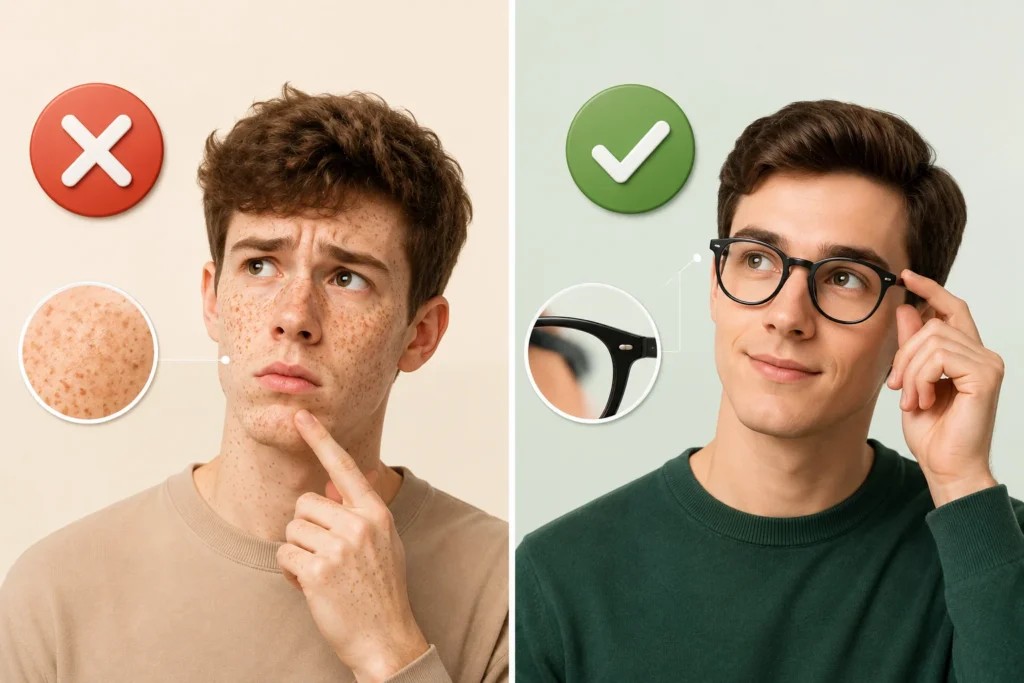
The difference between bespeckled and bespectacled comes down to what you are describing. Bespeckled means something has specks, spots, or scattered marks on its surface. Bespectacled describes a person who is wearing spectacles or glasses. These two words look almost identical, but they point to completely different ideas. A simple way to remember them is:

Bespeckled vs. Bespectacled: Which Is Correct? A Quick Answer and Key Difference Read More »

Is "Well Wishes" Grammatically Correct? Meaning, Usage, Examples, and Better Alternatives

Is “Well Wishes” Grammatically Correct? Meaning, Usage, Examples, and Better Alternatives

Have you ever written “well wishes” in a greeting card, email, or social media post and then stopped to wonder whether it was actually correct? If so, you’re in good company. Many English speakers hesitate because “best wishes” appears much more often in conversations and writing. That difference in popularity leads people to believe that

Is “Well Wishes” Grammatically Correct? Meaning, Usage, Examples, and Better Alternatives Read More »