
Grammar

It Was a Pleasure Meeting You

Is It Correct to Say “It Was a Pleasure Meeting You”?

Have you ever finished a conversation with someone and wondered whether you should say “It was a pleasure meeting you” or “It was a pleasure to meet you”? Both expressions are common, polite, and grammatically acceptable. However, they can feel slightly different depending on the situation, tone, and context. That small difference matters when you’re

Is It Correct to Say “It Was a Pleasure Meeting You”? Read More »
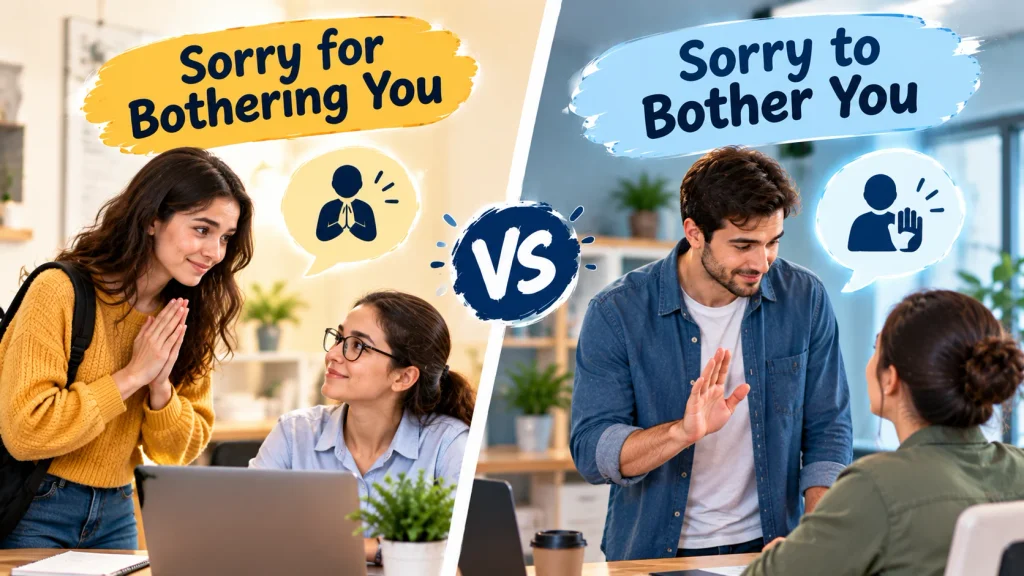
“Sorry for Bothering You” vs. “Sorry to Bother You”

“Sorry for Bothering You” vs. “Sorry to Bother You”: Meaning, Difference, and Alternatives

Have you ever started a message with “Sorry to bother you” and then wondered whether “Sorry for bothering you” would sound better? You’re not alone. These two expressions are extremely common in everyday English, workplace conversations, emails, texts, and polite requests. They also look almost identical, which makes the choice feel more complicated than it

“Sorry for Bothering You” vs. “Sorry to Bother You”: Meaning, Difference, and Alternatives Read More »

‘Ageing’ or ‘Aging’

‘Ageing’ or ‘Aging’: What’s the Difference?

Have you ever written “ageing” and wondered whether you should remove the e?Or perhaps you usually write “aging” and have seen “ageing” in British books, newspapers, or websites.Both spellings are correct. The difference is mainly regional spelling preference, not meaning or grammar.Ageing is the standard spelling in British English and is also common in other

‘Ageing’ or ‘Aging’: What’s the Difference? Read More »