Grammar

Elegy vs. Eulogy

Elegy vs. Eulogy: What’s the Difference? A Clear Guide to Meaning

When someone dies, words often become harder to choose. Elegy and eulogy both relate to death, grief, remembrance, and honoring a person, so it’s easy to treat them as interchangeable. They aren’t. An elegy is generally a poem or literary work that expresses grief or mourning, while a eulogy is a speech or piece of

Elegy vs. Eulogy: What’s the Difference? A Clear Guide to Meaning Read More »

Whole Day or All Day

Whole Day or All Day – Which Is Correct? Complete Guide

Choosing between “whole day” and “all day” can seem like a tiny grammar question, but the difference becomes important when you want your English to sound natural, precise, and polished. Both expressions can describe a full day, yet they don’t always follow the same grammatical structure or convey the same emphasis. The most natural choice

Whole Day or All Day – Which Is Correct? Complete Guide Read More »

Prescribe vs Proscribe

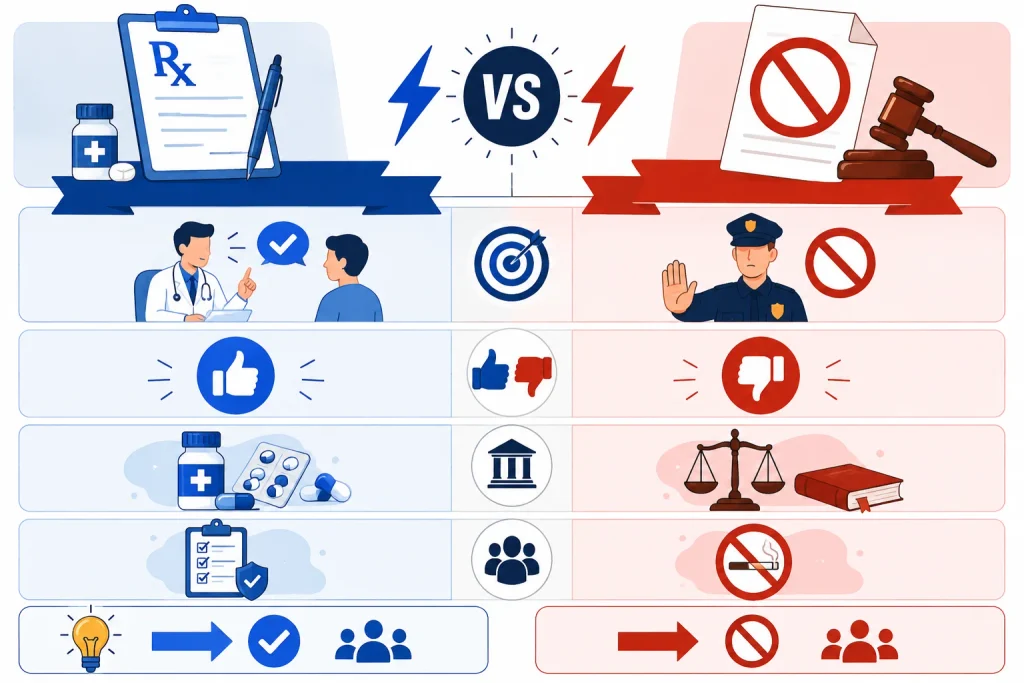
Prescribe vs. Proscribe: Meaning, Differences, and Examples

Some English words look so similar that even experienced writers can hesitate before choosing one. Prescribe and proscribe are a perfect example. They share the same ending, contain the same letters in nearly the same order, and both can appear in formal writing about rules, instructions, laws, or official decisions. Yet their meanings point in

Prescribe vs. Proscribe: Meaning, Differences, and Examples Read More »

Separate vs. Seperate

Separate vs. Seperate – What’s the Difference?

Separate vs. Seperate: The Correct Spelling at a Glance If you’ve ever paused over separate and seperate, you’re not alone. The two spellings look remarkably similar, and the difference comes down to one easily overlooked vowel. Separate is the correct spelling in standard English. Seperate is a misspelling. There isn’t a second accepted spelling that

Separate vs. Seperate – What’s the Difference? Read More »

Spatter or Splatter

Spatter or Splatter – What’s the Difference? Understanding the Nuances

When liquid lands somewhere in scattered drops, should you call it spatter or splatter? The two words look almost identical, sound remarkably similar, and often appear in the same kinds of sentences. That overlap makes the choice surprisingly tricky. You might describe paint on a wall as paint spatter or paint splatter. Mud can spatter

Spatter or Splatter – What’s the Difference? Understanding the Nuances Read More »

Inquiring Minds Want to Know

Inquiring Minds Want to Know – Meaning, Usage & Examples

Curiosity starts with a question. You see something unusual, hear a surprising announcement, or notice that someone is keeping a secret, and your mind naturally wants an explanation. That simple human reaction is captured perfectly by the expression “inquiring minds want to know.” The phrase is common in American English and often appears in casual

Inquiring Minds Want to Know – Meaning, Usage & Examples Read More »

leapt-or-leaped-whats-the-difference-complete-guide-to-correct-usage

Leapt or Leaped: What’s the Difference? Complete Guide to Correct Usage

Leapt or Leaped: What’s the Difference? If you’ve ever paused while writing a sentence like “She ___ across the room,” you’ve probably wondered whether leapt or leaped is the correct choice. The good news is that you don’t have to choose between a correct and an incorrect form. Both “leapt” and “leaped” are correct past-tense

Leapt or Leaped: What’s the Difference? Complete Guide to Correct Usage Read More »