Grammar

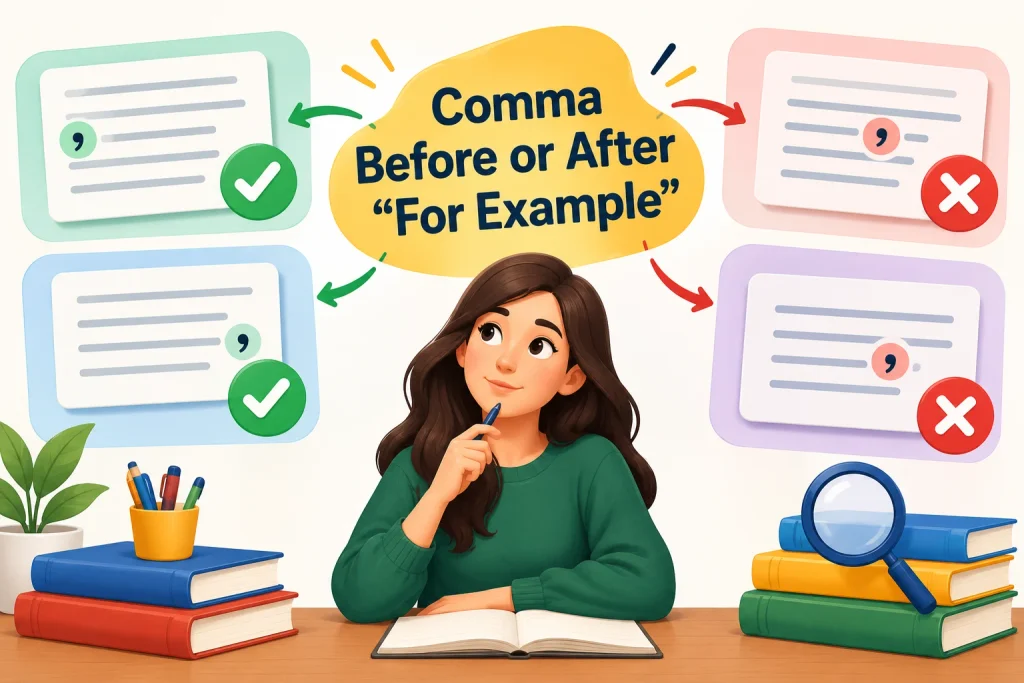
Comma Before or After

Comma Before or After “For Example”? Complete Guide

Understanding where to put a comma before or after “for example” becomes much easier once you stop treating the phrase as a fixed punctuation formula. Its punctuation depends on where the phrase appears, what job it performs, and how closely it connects to the surrounding words. “For example” is commonly used to introduce an illustration, […]

Comma Before or After “For Example”? Complete Guide Read More »

Pajamas vs. Pyjamas

Pajamas vs. Pyjamas: What’s the Difference?

If you’ve ever wondered whether pajamas and pyjamas mean different things, the answer is refreshingly simple: they usually mean the same thing. The real difference is regional spelling. American English generally uses pajamas, while British English uses pyjamas. Dictionaries such as Cambridge explicitly identify “pajamas” as the US spelling and “pyjamas” as the UK spelling.

Pajamas vs. Pyjamas: What’s the Difference? Read More »

Wonder vs. Wander

Wonder vs. Wander – What’s the Difference?

Wonder and wander look and sound remarkably similar, but they describe two very different ideas. One is mainly connected with thinking, curiosity, questioning, and amazement. The other is associated with moving without a clear direction or allowing attention to drift. That one extra letter can completely change a sentence: The distinction becomes even more interesting

Wonder vs. Wander – What’s the Difference? Read More »

Deem Fit

Deem Fit: Meaning, Usage, Grammar, and Examples

What Does “Deem Fit” Mean? The phrase deem fit means to consider something suitable, appropriate, proper, or acceptable for a particular situation. It usually describes a judgment made after considering the circumstances. Unlike the casual phrase “think it’s okay,” deem fit often suggests that the person making the decision has some authority, responsibility, or discretion.

Deem Fit: Meaning, Usage, Grammar, and Examples Read More »

Minuet vs. Minute

Minuet vs. Minute – Difference, Meaning & Examples

Have you ever seen minuet and minute and wondered whether they mean the same thing? Their spelling looks surprisingly similar, and their pronunciation can sound close in some contexts. However, these two words belong to completely different areas of English. A minuet is a formal historical dance and also a type of musical composition associated

Minuet vs. Minute – Difference, Meaning & Examples Read More »

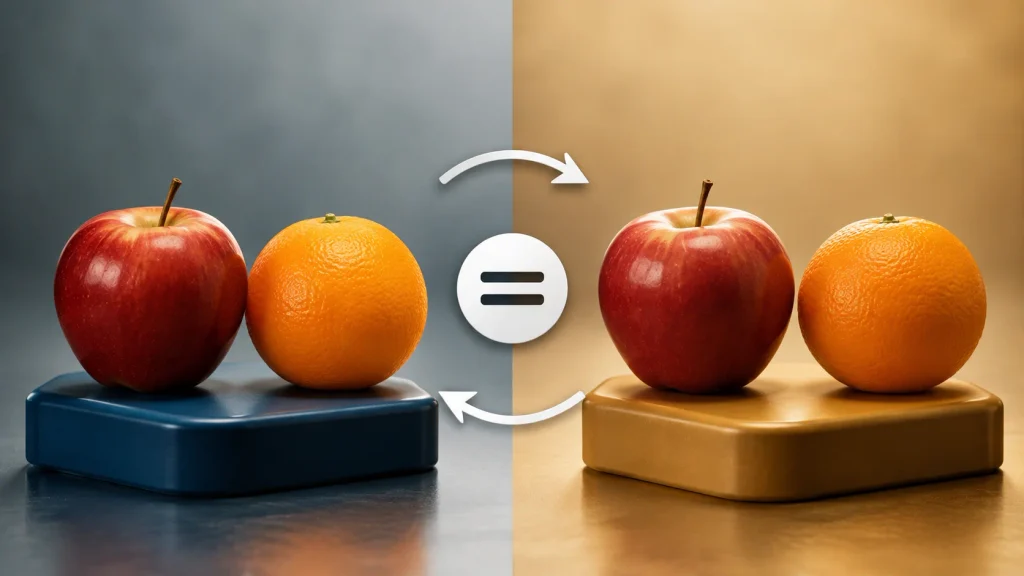
Same Difference

Same Difference – Idiom, Meaning, Examples & Usage

The phrase “same difference” sounds strange at first. After all, how can something be both the same and different? That apparent contradiction is exactly what makes the expression memorable. In everyday American English, same difference usually means that two things are technically different, but the distinction doesn’t matter in the situation. Merriam-Webster describes it as

Same Difference – Idiom, Meaning, Examples & Usage Read More »

Three Sheets to the Wind Idiom Definition

Three Sheets to the Wind Idiom Definition: Meaning, Origin, and How to Use It

If someone says a person is “three sheets to the wind,” they mean that person is very drunk or noticeably intoxicated. The expression paints a memorable picture: an unsteady person seems to move with the same lack of control as a sailing vessel whose sheets have come loose. Although the wording may sound mysterious to

Three Sheets to the Wind Idiom Definition: Meaning, Origin, and How to Use It Read More »