

Have you ever written “ageing” and wondered whether you should remove the e?Or perhaps you usually write “aging” and have seen “ageing” in British books, newspapers, or websites.Both spellings are correct. The difference is mainly regional spelling preference, not meaning or grammar.Ageing is the standard spelling in British English and is also common in other varieties of English influenced by British usage. Aging is the standard spelling in American English.
Both forms come from the verb age, meaning to become older or to develop characteristics associated with passing time.The population is ageing rapidly.The population is aging rapidly.These sentences mean exactly the same thing.The main question is not which spelling is universally correct. Instead, ask which variety of English you are using and which style guide your audience follows.
The Quick Answer
Ageing and aging have the same meaning, pronunciation, and grammatical function. The difference is spelling.
| Spelling | Common variety | Meaning |
| Ageing | British English | Becoming older or showing effects of age |
| Aging | American English | Becoming older or showing effects of age |
British writers generally use ageing:The ageing population is creating new challenges.American writers generally use aging:
The aging population is creating new challenges.Neither spelling changes the meaning of the sentence.The same distinction appears when age is used as a present participle or gerund:Ageing is a natural part of life.Aging is a natural part of life.Again, both are grammaticallycorrect.The important thing is consistency. If your article follows American English, use aging throughout. If it follows British English, use ageing throughout.
Why Does “Ageing” Have an Extra “E”?
The extra e comes from the spelling conventions used in British English.The base verb is:
age
When you add -ing, British English traditionally keeps the e in this word:
age → ageing
American English commonly drops the e:
age → aging
This difference can look surprising because English has several spelling rules involving final e and -ing.For example:
make → making
write → writing
take → taking
In these words, the final e disappears before -ing.But age behaves differently in the common British spelling:
age → ageing
American English instead uses:
age → aging
The British spelling helps preserve the visual connection between age and ageing, while the American spelling follows the shorter form.This does not mean that British English has a completely different grammar rule for the verb. The difference is primarily an established spelling convention.
Why Are “Ageing” and “Aging” Spelled Differently?
English spelling developed over centuries, and British and American English gradually developed different preferences.American English has adopted a number of shorter or simplified spellings that differ from traditional British forms.You can see similar patterns in words such as:
- colour/color
- favour/favor
- centre/center
- travelling/traveling
- cancelled/canceled
- jewellery/jewelry
The ageing/aging distinction belongs to this broader pattern of British and American spelling differences.The difference became especially associated with American English spelling practices, where forms such as aging became standard.British English retained ageing as the usual spelling.This is why you may see the two forms in different publications even when the writers are discussing exactly the same subject.For example, a British newspaper might write:Britain has an ageing population.An American publication might write:The United States has an aging population.The spelling changes, but the underlying idea does not.
Is “Ageing” an Older or Outdated Spelling?
No. In British English, ageing is not an outdated spelling.
It remains a normal and widely accepted form. A British writer can use:an ageing population without sounding old-fashioned. Likewise, an American writer can use: an aging population without suggesting that the word is more modern.The confusion often comes from seeing aging more frequently online. Because American English has a large global presence, many international readers encounter the American spelling regularly.That does not make ageing incorrect.Think of it this way:Ageing is standard British English.Aging is standard American English.Neither one is an obsolete version of the other.
Does the Spelling Affect Pronunciation?
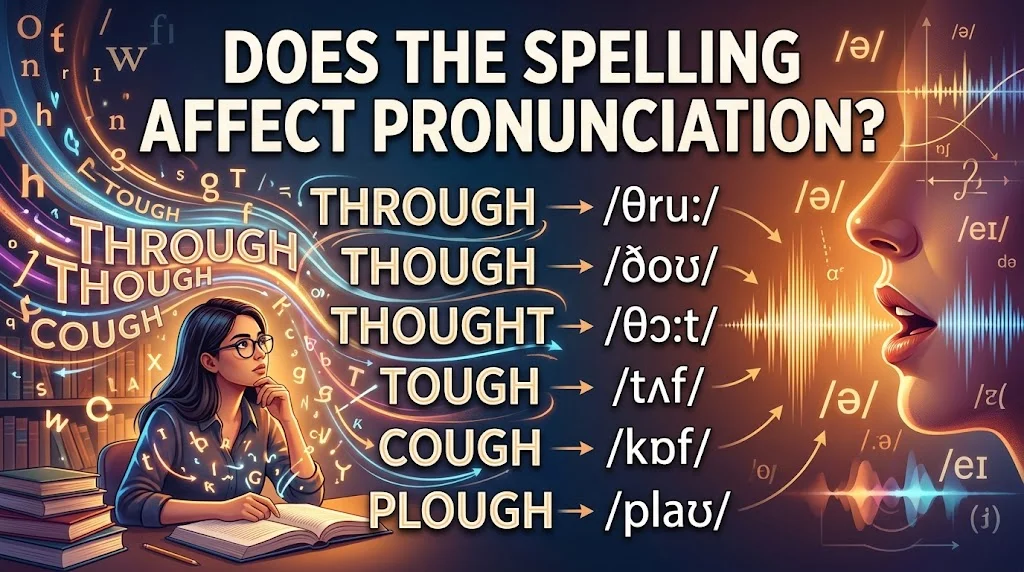
No. Ageing and aging are generally pronounced the same way.Both are pronounced with a long a sound at the beginning and a soft j sound in the middle.You can think of the pronunciation as roughly:
AY-jing
The extra e in ageing does not create an additional syllable.
For example:
ageing → “AY-jing”
aging → “AY-jing”
This is an important point for English learners because the spelling difference may look larger than it actually is.If you see ageing in a British text, you do not need to pronounce the e separately.
Does the Spelling Difference Affect Pronunciation?
No meaningful pronunciation difference exists between the standard forms.Compare:
The building is ageing quickly.
The building is aging quickly.
A speaker using British English and a speaker using American English will generally pronounce these words alike.The distinction is visible on the page rather than audible in ordinary speech.This makes ageing vs. aging different from spelling pairs in which pronunciation actually changes.
“Ageing” in British English
In British English, ageing is the conventional spelling.You will commonly encounter it in newspapers, academic writing, government publications, books, business documents, and everyday communication.Examples include:
The UK has an ageing population.
The ageing process affects everyone differently.Researchers are studying healthy ageing.The building is showing signs of ageing.Ageing infrastructure requires careful investment.Notice that ageing works in several contexts.It can describe people, populations, physical objects, systems, and natural processes.
Common British Uses of “Ageing”
British writers commonly use ageing in discussions involving health, demographics, society, materials, and time.
Ageing People
The study examines the needs of an ageing population.Here, ageing means a population containing an increasing proportion of older people or a population that is becoming older on average.
Ageing Population
This is one of the most common phrases.Britain has an ageing population.The phrase does not mean that every individual in the population is becoming old at the same rate. It refers to a demographic trend.
Ageing Process
Scientists continue to study the ageing process.Here, ageing refers to the gradual biological or physical changes associated with getting older.
Ageing Buildings
The city has several ageing buildings.Here, the word can suggest that the buildings are becoming older and may show signs of wear.
Ageing Infrastructure
The country needs to replace its ageing infrastructure.In this context, ageing suggests that infrastructure has become old and may require maintenance, replacement, or modernization.
Wine and Other Products
Ageing can also describe processes in which products mature or develop over time.
The cheese is ageing in a controlled environment.
The wine is ageing in oak barrels.
In these contexts, the word does not necessarily imply deterioration. Sometimes ageing is an intentional part of production.
When Should British Writers Choose “Ageing”?
If you are writing primarily for a British audience, ageing is normally the natural choice.
This applies to:
- Articles
- Essays
- Reports
- Emails
- Academic papers
- Business documents
- Websites
- News content
- Educational materials
- Government communication
For example:
The report discusses the challenges of an ageing workforce.
A British reader will recognize ageing as the standard spelling.You do not need to change it to aging simply because American English uses the shorter form.The same principle applies in reverse. If you are writing specifically for American readers, aging will usually be the expected spelling.
“Aging” in American English
In American English, aging is the standard spelling.You will see it throughout American newspapers, books, academic publications, government documents, websites, and everyday writing.
Examples include:
The United States has an aging population.
Scientists are studying the aging process.
The company is replacing aging equipment.
Healthy aging has become an important research topic.
The city needs to address its aging infrastructure.
All of these sentences are natural in American English.
Common American Uses of “Aging”
The American spelling appears across many subjects.
Aging Population
The country is preparing for an aging population.This is especially common in discussions about demographics, healthcare, retirement, and public policy.
Aging Process
Researchers are investigating the aging process.Here, aging refers to the changes associated with growing older.
Aging Infrastructure
The city is struggling with aging infrastructure.
The expression can refer to roads, bridges, water systems, buildings, electrical systems, or other structures that have become old.
Aging Equipment
The factory needs to replace its aging equipment.Here, aging suggests that the equipment has been in use for a long time and may need maintenance or replacement.
Healthy Aging
The program promotes healthy aging.This phrase is common in American health, fitness, research, and social discussions.Again, the meaning is identical to healthy ageing in British English.
Why Consistency Matters in American English
If you are writing in American English, using aging consistently makes your text look polished and intentional.Imagine an American article that begins with:The country has an aging population.
Later, it says:
Healthy ageing is becoming more important.
The second spelling is not necessarily incomprehensible or grammatically wrong. However, it introduces a British spelling into an otherwise American-English text.That inconsistency can distract readers.
A better approach is:
The country has an aging population.
Healthy aging is becoming more important.
The same principle applies to British English.
If your article uses ageing, keep that spelling throughout unless you are deliberately quoting an American source or discussing the spelling difference itself.
Meaning and Usage
There is no difference in the basic meaning of ageing and aging.
Both can mean:
- Becoming older
- Growing older
- Developing characteristics associated with age
- Showing the effects of passing time
- Becoming older through a natural or gradual process
- Developing or maturing over time
The correct spelling depends primarily on the variety of English being used.
Examples With People
British English:
She is ageing gracefully.
American English:
She is aging gracefully.
Both sentences describe the same general idea.
Another example:
The actor is ageing well.
The actor is aging well.
Again, there is no difference in meaning.
The spelling changes because the variety of English changes.
Examples With Populations
British:
The country has an ageing population.
American:
The country has an aging population.
This is one of the clearest examples of the regional difference.
Both expressions describe a demographic population that is becoming older on average.
You may also see:
An ageing society
and:
An aging society
Both are correct within their respective spelling systems.
Examples With Objects and Systems
The words are not limited to people.
British English:
The company is replacing its ageing computers.
American English:
The company is replacing its aging computers.
British English:
The bridge is showing signs of ageing.
American English:
The bridge is showing signs of aging.
In both cases, the idea is that the object has become older and may be showing the effects of time.
The same pattern applies to infrastructure, buildings, equipment, technology, materials, and other things that change as they become older.
A Quick Way to Remember the Difference
If you need a simple memory trick, connect the spellings to the names of the varieties:
British English → ageing
American English → aging
The extra e points you toward the British form.
The shorter spelling aging is the standard American form.
You can remember the pair as:
Britain: ageing
America: aging
Once you establish your audience, the choice becomes much easier.
If your website follows American English, use aging consistently. If it follows British English, use ageing consistently.
The important thing is not to treat one spelling as universally correct and the other as a mistake. Both belong to standard English. The difference is primarily one of regional spelling convention.
In Different Types of Writing
Choosing between ageing and aging becomes easier when you know who will read your work.
The two spellings have the same meaning, but different audiences may expect different forms. Your goal should be to match the spelling to the variety of English used throughout the document.
If you are writing for an American audience, aging is generally the natural choice.
If you are writing for a British audience, ageing is generally preferred.
This applies whether you are writing casually or professionally.
Academic and Formal Writing
Academic and formal writing requires consistency more than it requires one particular spelling.
A British academic paper might say:
The study examines the effects of ageing on memory.
An American academic paper might say:
The study examines the effects of aging on memory.
Both sentences are correct.
The spelling should match the publication, university, institution, or style guide you are following.
For example, if an American journal uses American English throughout its publications, aging will usually fit its editorial style.
A British journal may prefer ageing.
This matters because academic writing often contains many related terms:
- Ageing population
- Aging population
- Healthy ageing
- Healthy aging
- Ageing process
- Aging process
- Ageing research
- Aging research
- Ageing workforce
- Aging workforce
Mixing the two forms unnecessarily can make your writing look inconsistent.
Academic Example
British:
Researchers examined how ageing affects cognitive performance among older adults.
American:
Researchers examined how aging affects cognitive performance among older adults.
The grammatical structure is identical. Only the spelling changes.
Emails and Everyday Writing
In everyday emails, either spelling may be correct depending on your preferred variety of English.
A British writer might write:
We need to discuss the needs of an ageing workforce.
An American writer might write:
We need to discuss the needs of an aging workforce.
If you work with an international team, you may encounter both forms.
That is normal.
You generally do not need to correct a British colleague for writing ageing, nor should a British colleague automatically correct an American colleague for writing aging.
The important question is whether the spelling matches the style of the document.
Resumes and Job Applications
Your resume or job application should follow the spelling conventions appropriate for your target audience.
An American resume might include:
Experience working with aging populations.
A British CV might say:
Experience working with ageing populations.
Both versions communicate the same idea.
If you are applying to an organization that has a clear house style, follow its preferred variety when practical.
The same principle applies to cover letters, personal statements, professional profiles, and application forms.
A consistent spelling style can make your writing look more polished.
Websites and Online Content
Websites often serve international audiences, which can make the choice more complicated.
If your website follows American English, use aging consistently.
For example:
Understanding the Aging Process
If your website follows British English, use:
Understanding the Ageing Process
Search engines can understand both spellings, but your readers may expect one form based on their region.
Consistency also affects the overall appearance of your content.
A website that uses American spelling in one paragraph and British spelling in the next can look less carefully edited.
If your audience is international, choose a primary style and stick with it.
Which Spelling Should You Use?
There is no universal winner between ageing and aging.
The right spelling depends on your audience and the variety of English you are using.
Use ageing when writing primarily in British English.
Use aging when writing primarily in American English.
This simple rule works in most situations.
| Your audience | Preferred spelling |
| United States | aging |
| United Kingdom | ageing |
| British-style publications | ageing |
| American-style publications | aging |
| American academic writing | aging |
| British academic writing | ageing |
Other English-speaking regions may have their own preferences or may accept both forms, particularly in international contexts.
A Simple Decision Rule
When you are unsure, ask:
“Which variety of English am I using?”
If the answer is American English, write:
aging
If the answer is British English, write:
ageing
You can also ask:
“What style guide or publication am I writing for?”
A publication may have its own editorial preferences.
For example, a company with a British editorial style may prefer ageing, even if some of its readers live in the United States.
Similarly, an American organization may consistently use aging in all of its materials.
The house style takes priority when one exists.
What If You’re Writing for an International Audience?
International writing requires a little more judgment.
If your readers come from many countries, either spelling can be understood. You do not need to rewrite every occurrence simply because some readers use the other variety.
Instead, choose one form as your main spelling system.
For example, if your website uses American English, you can consistently use:
aging
even when some international readers are familiar with:
ageing
Likewise, a British publication can consistently use:
ageing
without needing to adopt the American spelling.
The main goal is clarity and consistency.
If you quote a source that uses the other spelling, you can preserve the original spelling in the quotation.
For example:
The British report describes the country’s “ageing population.”
There is no need to change the quotation to “aging population.”
The original wording should normally remain intact.
Common Mistakes
Because the two spellings look different, learners sometimes make assumptions that are not correct.
Here are the mistakes worth avoiding.
Mistake 1: Assuming One Spelling Is Always Correct
One of the most common errors is believing that either ageing or aging is the only correct spelling.
That is not the case.
Both are standard English spellings.
The difference is regional.
Ageing → British English
Aging → American English
So if you see ageing in a British newspaper, it is not a spelling mistake.
If you see aging in an American publication, it is not a spelling mistake either.
The mistake is treating a regional preference as a universal rule.
Mistake 2: Thinking the Words Have Different Meanings
Another common misconception is that ageing and aging refer to different processes.
They do not.
Consider:
The ageing process is natural.
and:
The aging process is natural.
The meaning is the same.
Both refer to the process of growing older or undergoing changes associated with age.
The same applies to:
an ageing population
and:
an aging population
Both refer to a population becoming older on average.
The spelling changes, but the meaning does not.
Mistake 3: Mixing British and American Spellings
A writer may use ageing in one section and aging in another without realizing it.
For example:
The aging population is growing rapidly. Researchers are also examining healthy ageing.
This is understandable, but it mixes two spelling conventions.
If you are using American English, a consistent version would be:
The aging population is growing rapidly. Researchers are also examining healthy aging.
For British English:
The ageing population is growing rapidly. Researchers are also examining healthy ageing.
Consistency creates a cleaner reading experience.
Mistake 4: Treating It as a Grammar Difference
Ageing and aging are not different grammatical forms.
Both can function as:
- Present participles
- Gerunds
- Adjectival modifiers
For example:
Aging can affect physical performance.
Here, aging functions as a gerund.
The aging population needs additional services.
Here, aging functions as an adjective modifying population.
The British equivalents work in exactly the same grammatical roles:
Ageing can affect physical performance.
The ageing population needs additional services.
Therefore, changing ageing to aging does not change the grammar.
It changes the spelling convention.
Examples in Sentences
Seeing the two forms side by side makes the distinction much easier to remember.
“Ageing” in a British Sentence
The government is developing new policies for an ageing population.
This sentence follows British English spelling.
The word ageing describes a population that is becoming older on average.
Another example:
Researchers are studying the effects of ageing on the human body.
Again, the spelling is British.
The sentence could be published in an American context by changing ageing to aging.
“Aging” in an American Sentence
The government is developing new policies for an aging population.
This is the standard American spelling.
Another example:
Researchers are studying the effects of aging on the human body.
The meaning remains unchanged.
You can compare the forms directly:
| British English | American English |
| The population is ageing. | The population is aging. |
| Ageing is natural. | Aging is natural. |
| Healthy ageing matters. | Healthy aging matters. |
| The ageing process varies. | The aging process varies. |
| Ageing infrastructure needs attention. | Aging infrastructure needs attention. |
| The company replaced its ageing equipment. | The company replaced its aging equipment. |
Notice that the rest of each sentence remains exactly the same.
Only the spelling changes.
A Useful Editing Test
When editing an article, search for both forms:
ageing
and:
aging
If your document is supposed to use American English, check whether any unnecessary instances of ageing remain.
If you are following British English, check whether aging has accidentally appeared.
This is especially useful for long articles.
A simple search-and-review process can catch inconsistent spelling quickly.
However, don’t automatically replace every occurrence. First check whether the word appears in:
- A direct quotation
- A book title
- A publication title
- A proper name
- A source citation
- A quoted British or American passage
In those cases, preserving the original spelling may be appropriate.
Does the Spelling Affect Pronunciation?
No. The spelling difference does not normally create a pronunciation difference.
Both forms are pronounced essentially the same way:
ageing → AY-jing
aging → AY-jing
The extra e in ageing is not pronounced as a separate sound.
This is useful when listening to English speakers because you cannot normally determine which spelling they use simply by hearing the word.
You need to identify the spelling from the written context.
For example, someone may say:
“The aging population needs more support.”
You cannot tell from the sound whether the speaker would write aging or ageing.
Their regional variety of English gives you a clue, but the pronunciation itself does not distinguish the spellings.
Related British and American Spelling Differences
Ageing vs. aging is part of a larger pattern in English.
British and American English often use different spellings for the same word.
Some familiar examples include:
| British English | American English |
| colour | color |
| favour | favor |
| centre | center |
| theatre | theater |
| travelling | traveling |
| cancelled | canceled |
| jewellery | jewelry |
| organise | organize |
| licence | license* |
| defence | defense |
*The distinction between licence and license has additional grammatical and regional details, so it should not be treated as identical to every other spelling pair.
The key point is that spelling differences do not automatically indicate different meanings.
They often reflect different historical and editorial conventions.
Once you understand this broader pattern, ageing vs. aging becomes much easier to remember.
Is “Ageing” or “Aging” More Formal?
Neither spelling is inherently more formal.
This is an important distinction.
Some writers assume that ageing sounds more formal because it contains an extra letter. Others assume that aging looks more modern or professional because it is shorter.
Neither assumption is accurate.
Ageing can appear in highly formal British writing.
Aging can appear in highly formal American writing.
For example:
The report evaluates the economic consequences of an ageing population.
This can be formal British English.
Likewise:
The report evaluates the economic consequences of an aging population.
This can be formal American English.
Formality comes from the vocabulary, sentence structure, purpose, and context of the writing—not from choosing one spelling over the other.
Is “Ageing” Wrong in American English?
In standard American English, aging is the usual spelling.
However, seeing ageing does not make the underlying word incomprehensible or grammatically wrong. It is the standard British spelling and may appear in American writing when a writer is preserving British usage, quoting a source, following a particular house style, or addressing an international audience.
For ordinary American writing, though, aging is the natural choice.
For example:
The country has an aging population.
This is the expected American form.
If you are preparing American-English content, using aging consistently is the safest editorial choice.
Is “Aging” Wrong in British English?
No. Aging is not an unintelligible or grammatically different word in British English. British readers understand it immediately because it is the American spelling of the same word.
However, ageing remains the conventional spelling in standard British English.
If you are writing specifically for a British audience, you would normally choose:
The population is ageing.
rather than:
The population is aging.
The second version may look American to a British reader, but it does not create a different meaning.
This distinction is important because English has many regional spelling differences. A spelling can be less common in one variety without being meaningless or inherently incorrect.
For example, an American publication may use color, while a British publication generally uses colour. The British reader does not misunderstand color. It simply signals a different spelling convention.
The same principle applies to:
ageing / aging
Why British Writers Usually Prefer “Ageing”
British English has traditionally retained the e in this word.
As a result, forms such as these are common:
healthy ageing,ageing population,ageing workforce,ageing infrastructure
the ageing process
A British publication that consistently uses ageing will normally keep that spelling throughout its content.
The goal is not to prove that one version is better. It is to maintain the spelling system appropriate for the intended audience.
Can You Use Both Spellings in the Same Article?
Technically, readers can understand both forms in the same article. However, deliberately mixing ageing and aging is usually not a good editing choice.
If you are writing an American-English article, use aging consistently.
If you are writing a British-English article, use ageing consistently.
For example, this article would look inconsistent:
The aging population is growing rapidly. Researchers are also studying healthy ageing. The aging process can affect many areas of life.
A consistent American version would be:
The aging population is growing rapidly. Researchers are also studying healthy aging. The aging process can affect many areas of life.
A consistent British version would be:
The ageing population is growing rapidly. Researchers are also studying healthy ageing. The ageing process can affect many areas of life.
When Both Spellings May Appear Naturally
There are situations where using both forms is completely reasonable.
For example, you may be writing an article specifically about the difference between British and American English.
In that situation, you need both spellings because they are the subject of the discussion:
British English generally uses ageing, while American English generally uses aging.
You might also preserve the spelling in a direct quotation:
The British report refers to an “ageing population.”
If your surrounding article uses American English, you do not necessarily need to change the spelling inside the quotation.
The quotation represents the original source.
What About Titles and Names?
A publication title, organization name, book title, or other proper name may contain either spelling.
For example, if an official title contains Ageing, preserve it exactly when referring to that title.
Do not change an official name simply to make it match your preferred regional spelling.
The same applies to quoted material.
This is an important editing principle:
Consistency matters, but accuracy matters too.
Does the Spelling Difference Affect Pronunciation?
As discussed earlier, ageing and aging are normally pronounced the same way.
The spelling difference is visible in writing but does not normally create a different spoken form.
Both are generally pronounced:
AY-jing
The final -ing has its normal English pronunciation, while the opening age contributes the long a sound.
This means a listener usually cannot determine which spelling a speaker has in mind.
For example, if someone says:
“The population is aging.”
you cannot hear whether that person would write aging or ageing.
Their accent might suggest whether they use British or American English, but the word itself does not provide a reliable spelling clue.
Why This Matters for English Learners
English learners sometimes expect every spelling difference to produce a pronunciation difference.
That is not always the case.
British and American English can spell the same word differently while pronouncing it in essentially the same way.
Therefore, when learning ageing and aging, focus on two separate things:
Pronunciation: essentially the same.
Spelling: different according to regional convention.
This makes the pair much easier to remember.
How “Ageing” and “Aging” Work Grammatically
Although the spellings differ, the grammatical roles are the same.
Both forms come from the verb age.
The base verb is:
age
The -ing form can function in different ways depending on the sentence.
As a Present Participle
The population is aging.
Here, aging forms part of the progressive verb phrase is aging.
British English would use:
The population is ageing.
The grammar remains identical.
As a Gerund
Aging is a natural process.
Here, aging functions as a noun-like form and acts as the subject of the sentence.
British English:
Ageing is a natural process.
Again, the grammatical role does not change.
As an Adjective
The aging building needs repairs.
Here, aging modifies building.
British English:
The ageing building needs repairs.
Once again, the spelling changes but the grammatical function remains the same.
This is why calling ageing and aging different grammatical forms would be misleading.
They are regional spelling variants of the same word.
With People
Both forms can describe the process of becoming older.
American English:
She is aging naturally.
British English:
She is ageing naturally.
You can also use the word to describe changes associated with getting older:
Aging skin may develop visible changes over time.
Ageing skin may develop visible changes over time.
The meaning is the same.
However, context can affect the tone of sentences involving people.
For example:
She is aging gracefully.
is generally a polite expression about growing older.
Similarly:
She is ageing gracefully.
has the same meaning in British English.
But writers should still consider whether comments about someone’s age are appropriate in a particular context, especially in professional settings.
The spelling itself does not make a sentence more or less sensitive.
With Populations
One of the most frequent uses of both spellings is ageing population or aging population.
The phrase describes a demographic trend rather than the personal experience of one individual.
British English:
The country has an ageing population.
American English:
The country has an aging population.
This wording commonly appears in discussions about:
- Demographics
- Retirement
- Healthcare
- Social services
- Employment
- Pensions
- Housing
- Public policy
- Family structures
The phrase does not mean that every person in the country is becoming older simultaneously.
Instead, it generally refers to changes in the age distribution of the population.
Ageing Population vs. Older Population
These expressions are related but not identical.
An older population simply contains a relatively high number or proportion of older people.
An ageing population emphasizes a process or demographic shift toward an older population.
For example: The country has an older population than its neighbors.This compares population age structures.The country has an ageing population.This emphasizes an ongoing demographic trend.The British/American spelling difference remains the same:
ageing population
versus:
aging population
With Objects and Materials
The word can also describe objects as they become older.
British:
The ageing bridge needs repairs.
American:
The aging bridge needs repairs.
In this context, ageing/aging may suggest deterioration, but it does not always have to.
Consider wine:
The wine is ageing in wooden barrels.
Here, ageing is an intentional process that may improve the product.
The American version is:
The wine is aging in wooden barrels.
The same spelling distinction appears with:
- Wine
- Cheese
- Wood
- Buildings
- Machinery
- Vehicles
- Technology
- Infrastructure
- Materials
The context determines whether getting older is viewed as desirable, undesirable, or simply natural.
In Different Contexts
The word can carry different associations depending on the noun it modifies.
Ageing Infrastructure
The city needs to replace its ageing infrastructure.
This usually suggests old infrastructure that requires attention.
American:
The city needs to replace its aging infrastructure.
Ageing Wine
The wine is ageing beautifully.
This can suggest a desirable maturation process.
American:
The wine is aging beautifully.
Ageing Equipment
The factory relies on ageing equipment.
This usually suggests equipment that is old and may need replacement.
American:
The factory relies on aging equipment.
Ageing Population
The country must prepare for an ageing population.
This refers to demographic change.
American:
The country must prepare for an aging population.
Ageing Process
Researchers continue to study the ageing process.
This refers broadly to the process of growing older.
American:
Researchers continue to study the aging process.
The basic meaning stays consistent across all these examples.
Common Editing Problem: Automatic Spell-Checking
Modern word processors can create confusion because they often use a selected language setting.
Suppose your document is set to American English.
You type:
ageing
The software may flag it as a spelling issue.
That does not necessarily mean the word itself is wrong.
It may simply mean that your software expects American spelling.
The same thing can happen in reverse.
A British English dictionary or spell-check setting may prefer:
ageing
and flag:
aging
This is why you should check your document’s language setting before assuming that a spelling variation is an error.
Choose the Correct Dictionary
If you are writing American English, set your spell-checking language to American English when possible.
If you are writing British English, choose British English.
This helps your software identify the spelling conventions appropriate to your document.
However, automated tools should not replace editorial judgment.
A spell-checker may recognize a word without understanding your audience, quotation policy, or house style.
A Practical Editing Test
When proofreading a document containing ageing or aging, use this simple process.
First, identify the intended variety of English.
Ask:
Am I writing in American English or British English?
Next, search for both forms.
Look for:
ageing
and:
aging
Then check whether the spelling is consistent.
If your document uses American English, you will generally want:
aging
throughout your own writing.
If it uses British English, you will generally want:
ageing
throughout your own writing.
Finally, check quotations and official names separately.
Do not change them automatically.
This approach is more reliable than simply clicking “replace all.”
A Mini Style Guide for “Ageing” and “Aging”
If you regularly write articles, reports, or website content, create a simple internal rule.
For American English
Use:
aging
Examples:
aging population
healthy aging,aging process,aging infrastructure,aging equipment
For British English
Use:
ageing
Examples:
ageing population
healthy ageing,ageing process,ageing infrastructure,ageing equipment
For Mixed International Content
Choose one primary style.
For example, if your website generally follows American English, use aging in your original content.
If a British source uses ageing in a quotation, preserve the quotation unless your editorial policy says otherwise.
This gives the site a consistent voice while respecting source material.
Why Consistency Matters More Than Preference
Some writers spend too much time asking which spelling is “better.”
That is usually the wrong question.
The more useful question is:
Which spelling fits my audience and style?
A British reader may expect ageing.
An American reader may expect aging.
An international publication may choose one style for consistency.
The goal is not to eliminate regional variation. English naturally contains regional variation.
The goal is to communicate clearly while maintaining a consistent editorial style.
Quick Comparison: Ageing vs. Aging
| Feature | Ageing | Aging |
| Main variety | British English | American English |
| Meaning | Becoming older | Becoming older |
| Pronunciation | Essentially the same | Essentially the same |
| Grammar | Same grammatical roles | Same grammatical roles |
| Common phrase | ageing population | aging population |
| Common phrase | healthy ageing | healthy aging |
| Formality | Not inherently more formal | Not inherently more formal |
| Correct in its main variety? | Yes | Yes |
| Use in American English | Less typical | Standard |
| Use in British English | Standard | Less typical |
The most important point is simple:
The difference is spelling, not meaning.
A Useful Rule for Content Writers
If you produce online content regularly, decide on your English variety before you begin writing.
For American-English content:
aging
For British-English content:
ageing
Then apply that choice throughout the article.
This is particularly helpful for SEO content because related phrases may appear many times.
For example, an American article might naturally use:
aging process
healthy aging
aging population
aging-related changes
A British article would normally use:
ageing process
healthy ageing
ageing population
ageing-related changes
You do not need to force every variation into one article simply to capture both spellings. Natural language and consistent regional style should come first.
What If Your Audience Uses Both Varieties?
If your readers include people from the United States, United Kingdom, Canada, Australia, and other English-speaking regions, both forms may be familiar.
You still need a consistent primary style.
For example, an international educational website may choose American English because that is its editorial standard.
Another organization may choose British English because its institutional audience is primarily British.
The existence of international readers does not mean you must alternate spellings.
In fact, alternating them can make your writing look less deliberate.
Choose one, explain the variation when useful, and remain consistent.
The Key Difference to Remember
If you remember only one thing from this article, remember this:
Ageing and aging mean the same thing.
The spelling depends on the variety of English.
British English: ageing
American English: aging
Neither spelling changes the pronunciation, grammar, or basic meaning.
So when you see ageing, don’t assume it is an old-fashioned mistake.
When you see aging, don’t assume it is an incorrect shortened form.
They are established regional spellings of the same English word.
The best choice is the one that matches the audience, publication, and style guide you are writing for.
A Practical Style Guide for Writers
If you regularly write articles, essays, reports, emails, or website content, deciding between ageing and aging should be simple once you establish your English variety.
The most useful rule is:
Use “ageing” for British English and “aging” for American English.
This rule covers most everyday writing situations.
However, professional writers also need to consider house style, audience, quotations, publication requirements, and consistency.
Start With Your Audience
Before writing, identify who will read your content.
If your primary readers are in the United States, aging is generally the better fit.
The aging population faces changing healthcare needs.
If your primary readers are in the United Kingdom, ageing is generally the natural choice.
The ageing population faces changing healthcare needs.
If your audience is international, choose one variety as your primary style.
The important thing is not to switch between forms randomly.
Follow the Publication’s Style Guide
If you’re writing for a newspaper, academic journal, company, university, or website, check its style guide when one is available.
A publication’s editorial policy may determine whether it uses British or American English.
For example, an American publication may consistently use:
aging
even when some of its contributors are from Britain.
Likewise, a British publication may consistently use:
ageing
even when it has readers around the world.
The house style normally takes priority over personal preference.
Keep Related Words Consistent
Consistency is especially useful when the word appears repeatedly.
An American article might use:
aging population
healthy aging
aging process
aging workforce
A British article might use:
ageing population
healthy ageing
ageing process
ageing workforce
The reader will understand either set.
The problem arises when the same document moves unpredictably between the two:
The aging population needs support. Healthy ageing is also important. The aging process affects everyone.
This mixture is understandable, but it gives the impression that the article has not been fully edited.
Ageing or Aging in Professional Communication
Professional communication benefits from consistency and clarity.
The spelling you choose should fit the organization and audience.
Business Reports
American English:
The report examines the economic effects of an aging workforce.
British English:
The report examines the economic effects of an ageing workforce.
Both are professional.
The regional spelling does not make either version more formal.
Company Websites
A company should normally choose a consistent language style across its website.
If the site uses American English, it can write:
We develop products for an aging population.
If it uses British English:
We develop products for an ageing population.
Consistency becomes especially important when the term appears in headings, navigation, product descriptions, blog posts, and supporting pages.
Professional Emails
In an email, simply follow the spelling style you normally use.
We’re preparing a report on the needs of an aging workforce.
This is natural American English.
We’re preparing a report on the needs of an ageing workforce.
This is natural British English.
There is no need to treat one form as more professional.
Ageing or Aging in SEO Content
For SEO writing, ageing and aging can both be useful depending on the target audience.
If your content is written primarily for American readers, aging should normally be your main spelling.
If it targets British readers, ageing should normally be your main spelling.
You should not switch between the forms repeatedly simply to create keyword variations.
Instead, write naturally for the intended audience.
Should You Include Both Spellings?
You can mention both spellings when the distinction is relevant to the article.
For example:
Ageing is the standard British English spelling, while aging is the standard American English spelling.
That sentence naturally explains the variation.
If the article is specifically about the spelling difference, using both forms is necessary.
However, if you’re writing an article about healthy aging for an American audience, repeatedly inserting ageing may make the content less consistent.
The same principle applies to British-focused content.
Search Intent Matters
Someone searching for “ageing vs aging” is likely looking for an explanation of the spelling difference.
Someone searching for “aging process” may simply want information about the process of growing older.
Your writing should reflect the reader’s intent rather than forcing both spellings into every paragraph.
Natural, useful content is more important than mechanical repetition.
Ageing vs. Aging in Titles and Headings
Headings should follow the same spelling style as the body text.
For American English:
Aging Population: Meaning and Examples
For British English:
Ageing Population: Meaning and Examples
If your article itself discusses the difference, you can intentionally include both:
Ageing vs. Aging: What’s the Difference?
This is appropriate because the two spellings are the actual subject.
Otherwise, choose the form that matches your target variety.
Quoted Material and Sources
One area where consistency rules become more flexible is quoted material.
Suppose you’re writing an American-English article and quoting a British source:
The report describes an “ageing population.”
You generally should not alter the spelling inside the quotation merely to make it match your article.
Likewise, a British article may quote an American source that uses:
aging
Preserving the original spelling maintains the accuracy of the quotation.
The same principle can apply to titles of books, reports, studies, organizations, and publications.
If the official title contains ageing, retain it.
If it contains aging, retain it.
A Quick Editing Checklist
Before publishing your article, check the following:
Audience:
Who is expected to read this content?
English variety:
Are you using American or British English?
Primary spelling:
Have you consistently used aging or ageing?
Headings:
Do your headings match the same spelling style?
Subheadings:
Have you accidentally switched forms?
Quotations:
Have you preserved the original spelling where appropriate?
Titles:
Have you kept official names and titles unchanged?
Related expressions:
Are phrases such as aging population or ageing population consistent?
This checklist takes only a few minutes but can prevent unnecessary editing problems.
A Simple Editing Exercise
Imagine you are editing this American-English paragraph:
The country has an aging population. Researchers are studying healthy ageing. The aging process affects healthcare needs, while an ageing workforce is changing the labor market.
The paragraph is understandable, but the spelling is mixed.
For consistent American English, revise it to:
The country has an aging population. Researchers are studying healthy aging. The aging process affects healthcare needs, while an aging workforce is changing the labor market.
For British English, revise it to:
The country has an ageing population. Researchers are studying healthy ageing. The ageing process affects healthcare needs, while an ageing workforce is changing the labour market.
Notice that the second version contains another British spelling, labour, while the American version uses labor.
This demonstrates an important point: choosing British or American English often affects more than one word.
Other British and American Spelling Patterns
Once you understand ageing/aging, other regional spelling differences become easier to recognize.
Colour and Color
British:
The colour of the wall is beautiful.
American:
The color of the wall is beautiful.
Centre and Center
British:
The shop is in the city centre.
American:
The store is in the city center.
Favourite and Favorite
British:
This is my favourite book.
American:
This is my favorite book.
Travelling and Traveling
British:
She is travelling across Europe.
American:
She is traveling across Europe.
Cancelled and Canceled
British:
The meeting was cancelled.
American:
The meeting was canceled.
These differences illustrate why spelling should be viewed within a larger language system.
If you decide to write in American English, it is useful to apply American conventions consistently. If you choose British English, follow British conventions consistently.
Why American English Uses “Aging”
The American spelling aging is part of a broader tendency toward simplified spelling in some words.
American English spelling was influenced by efforts to establish distinct and more regular conventions, particularly in the nineteenth century. Noah Webster is often associated with American spelling reforms, although individual spelling histories vary from word to word.
The important point for everyday writers is not to memorize a historical rule for every spelling.
Instead, recognize that aging became established as the standard American form.
That is why American dictionaries and publications generally use:
aging
rather than:
ageing
This is a standard regional convention, not an accidental omission of the letter e.
Why British English Uses “Ageing”
British English retained ageing as its conventional form.
This spelling keeps the visual connection with the base word:
age → ageing
It has remained standard in British dictionaries, publications, and general writing.
Again, there is no special pronunciation difference created by the extra letter.
The e is simply part of the conventional written form.
This is why British writers can confidently use:
ageing population
healthy ageing
ageing process
without treating the spelling as unusually old-fashioned.
Is One Spelling More Common Worldwide?
The answer depends on what you mean by “worldwide.”English is used across many countries, and different regions follow different spelling traditions.American English has a large international presence, so aging is very familiar around the world.British English also has a major global influence, so ageing remains widely recognized.Many international readers understand both forms without difficulty.Rather than asking which spelling is universally dominant, writers should consider their target audience.For a US-focused publication, aging is usually appropriate.For a UK-focused publication, ageing is usually appropriate.For international content, either can work if used consistently.
What About Canada, Australia, and Other English Varieties?
English spelling is not divided into only two perfectly separate systems.
Countries such as Canada, Australia, New Zealand, and others have their own language conventions and may show influences from both British and American English.
This means you should avoid assuming that every English-speaking country follows exactly the same spelling rules.
If you are writing for a particular country or publication, check its preferred style.
For example, an organization may use a British-influenced style even if it operates internationally.
Another organization may follow an American style because its corporate communications are standardized around US English.
The best editorial decision comes from the actual audience and style requirements.
A Useful Rule for International Writers
If you are unsure what your international audience expects, don’t panic.
Use one spelling consistently and make the regional distinction clear when it matters.
For example:
Ageing is the British spelling, while aging is the American spelling.
Once readers know this, they can recognize both forms.
You do not need to treat the alternative as an error.
Common Questions Writers Ask
Should I write “aging population” or “ageing population”?
Use aging population in American English and ageing population in British English. Both expressions have the same meaning. The choice depends on your target audience, publication style, or regional spelling convention.
Is “ageing” grammatically correct?
Yes. Ageing is grammatically correct, especially in British English. It is the -ing form of the verb age and can function as a participle, gerund, or adjective depending on the sentence.
Is “aging” grammatically correct?
Yes. Aging is grammatically correct and is the standard American spelling. It can perform the same grammatical functions as ageing. The difference between the two forms is spelling rather than grammar.
Which spelling should American writers use?
American writers should generally use aging. This is the standard American English spelling and is the form most readers in the United States will expect.
Which spelling should British writers use?
British writers should generally use ageing. It is the conventional British English spelling and appears widely in British academic, professional, journalistic, and everyday writing.
The Easiest Way to Remember “Ageing” vs. “Aging”
You don’t need a complicated spelling rule to remember this pair.
Think of it as a regional preference:
British English = ageing
American English = aging
The extra e belongs to the common British spelling.
The shorter form is standard American spelling.
If you remember that simple connection, you can usually make the correct choice immediately.
Key Takeaway
Ageing and aging are two accepted spellings of the same word. They do not have different definitions, grammatical functions, or normal pronunciations.
The main distinction is regional:
- Ageing is standard in British English.
- Aging is standard in American English.
Both can describe people, populations, objects, systems, processes, and products.
British: The country has an ageing population.
American: The country has an aging population.
Neither version is inherently more formal, modern, intelligent, or correct in every situation. The best choice depends on your audience and the style of English you are using.
If you’re writing for Americans, choose aging. If you’re writing for British readers, choose ageing. For international audiences, select one primary spelling system and use it consistently.
Most importantly, don’t treat the other form as a spelling mistake. Once you understand the British-American distinction, ageing vs. aging becomes a simple matter of regional style rather than a difficult grammar question.
Conclusion
Understanding ‘ageing’ or ‘aging’ is much easier once you know that both words have the same meaning. The main difference is regional spelling. Ageing is the standard form in British English, while aging is the standard form in American English. Neither spelling is inherently more correct, formal, or modern than the other.
When you write, let your audience and chosen style guide make the decision. Use aging for American English and ageing for British English. If you’re writing for an international audience, either spelling can work, but consistency matters. Avoid switching between them without a reason.
So, the next time you see ageing or aging, don’t wonder whether one is a mistake. They’re simply two regional spellings of the same word. Choose the version that fits your readers, use it consistently, and your writing will remain clear, natural, and professional.
FAQs
Is “ageing” or “aging” correct?
Both ageing and aging are correct spellings. Ageing is the standard British English form, while aging is the standard American English form. They have the same meaning, pronunciation, and grammatical function. Your choice should depend mainly on your intended audience, regional English style, or the style guide you are following.
Is “ageing” British or American English?
Ageing is the standard British English spelling. It is commonly used in British writing, including academic work, journalism, professional communication, and everyday English. American English generally uses aging instead. The extra “e” does not change the meaning or pronunciation of the word.
Is “aging” American or British English?
Aging is the standard American English spelling. It is widely used in American books, websites, newspapers, academic writing, and professional documents. British English generally prefers ageing. Both spellings refer to the same process and are understood by English speakers internationally.
Does “ageing” have a different meaning from “aging”?
No. Ageing and aging have the same meaning. Both can describe growing older or the gradual effects of time on people, populations, objects, systems, and materials. The difference is primarily spelling based on regional English conventions. Changing the spelling does not create a different definition.
Does “ageing” have a different pronunciation from “aging”?
No. In normal English pronunciation, ageing and aging are pronounced essentially the same way. The extra “e” in the British spelling does not add another syllable or change the sound of the word. Both are commonly pronounced approximately like “AY-jing.”
Is “ageing” wrong in American English?
Ageing is understandable in American English, but aging is the standard American spelling. If you’re writing specifically for a US audience, using aging will normally provide better consistency with American spelling conventions. The British form is not a different word or a different grammatical construction.
Is “aging” wrong in British English?
Aging is understandable in British English, but ageing is the conventional British spelling. If your writing follows British English, it is generally better to use ageing consistently. The American spelling does not have a different meaning; it simply follows a different regional spelling convention.
Can I use both “ageing” and “aging” in one article?
You can mention both spellings when you’re discussing their difference, but you should normally choose one for the main text. For example, a British-English article should generally use ageing, while an American-English article should use aging. Consistent spelling makes your content look polished and easier to edit.
Is “ageing” more formal than “aging”?
No. Neither spelling is inherently more formal. Ageing is associated with British English, while aging is associated with American English. A formal document can use either spelling as long as it follows the appropriate regional or organizational style. Formality depends on the writing and context, not this spelling difference.
Which spelling should I use for an international audience?
For an international audience, you can use either ageing or aging. The most important point is consistency. Choose the spelling that matches your organization’s preferred English style or your primary audience. If the spelling distinction is relevant, briefly explaining that ageing is British and aging is American can prevent confusion.